

How do you define success as a writer in how you write, publish, and share? Three recent conversations had me considering my longstanding advice to writers on this topic. Today I want to explore that more fully, with the hope that it feels refreshing and motivating. Okay, here is how I tend to encourage writers to measure success:
How you feel.
To me, that’s the measure that matters most. How you feel, not metrics.
Can metrics matter in this process? Of course. Things such as words written, books published, books sold, number of reviews received, rewards bestowed, influencer recommendations, media hits, social media mentions, number of followers or subscribers, or so much else. These things matter, yet I don’t feel they are the ultimate measure of success. Today I want to talk about why.
Before we begin: My next Creative Shift Mastermind begins October 5th! Join me and a small group of writers. In 90 days, you’ll clarify who you are as a writer, what you create, and how to confidently share your work with the readers who will love it. Full details here. Deadline to register is Friday, October 2nd. Okay, back to today’s essay…
So many writers struggle with overwhelm as the publishing landscape is in constant flux. My hope is that you feel a sense of agency and meaning in how you approach the ways you measure success. Let’s dig in…
Feelings Vs. Metrics
I always worry that a goal of “feelings” feels too soft, too vague, and like it isn’t something a serious person would shoot for. Yet, it’s what I believe. What do I mean by feelings? Perhaps these:
A sense of accomplishment and growth, not because numbers on a spreadsheet indicate this, but because you feel it deep in your heart.
Being proud of what you created, even if the sales figures aren’t super impressive. That works the other way too: being proud of what you created, even when your book is a bestseller, because so many people suffer from impostor syndrome. They have objective and measurable success, and they refuse to believe it. They feel like a fraud, like a failure, and worry that it’s only a matter of time before everyone finds out. The more success they have, the worse they feel.
Feeling good about what you did for a book launch, even though you did only one tenth as much as a colleague did. Because the activity you chose to do was fun, it created a moment you remember fondly, and because it felt 100% like you.
Feelings help us understand something that can be difficult to address: that two people can have the same exact experience and accomplishments, yet one can feel ashamed and embarrassed at the result, and the other can feel over the moon, deeply satisfied, and proud to share with friends about it. For example:
“Eeeee! I just hit triple digits with my newsletter subscribers, 100 people want to hear from me! When I was young, no one cared about my writing, now look how many people do! This is the start of something big…”
Vs.
“Ugh, why do I even bother? I’ve been working at this newsletter for months, and I’m embarrassed to even tell you how few subscribers I have. Fine, I’ll say it: 100. But that includes my spouse and friends who joined out of sheer social obligation. I think some of those emails are bots too, so the number is likely much lower. I was skeptical before, but now I know: newsletters don’t work. I’ll keep it going for another month or two, but if things don’t turn around, I’m stopping. Why embarrass myself further, this is not what it should mean to be a writer.”
I have had different versions of these conversations with people many times over the years. Those who sell 3,000 copies of their book and feel overjoyed and deeply fulfilled, and those who sell 3,000 copies and are so disappointed that they give up writing entirely.
Something I consider are the things you have agency over and can control. For instance, one can feel motivated by a goal of getting on a specific bestseller list, and that can help them define specific actions to take. While they outcome itself may be outside their control, the journey to try to get there and how they feel in the process is something they have more control over.
Feelings are what helps motivate us to success, and can turn disappointment into a meaningful experience, not a rejection of who we are, or our work.
Experiences Matter
I explain a similar concept in the opening chapter of my book, Be the Gateway:
How do you measure the success of your creative work? Often when we think of what we hope to achieve, we look for shorthand to represent this:
It may be an object that represents the culmination of your effort in a physical form. If you are a writer, this could be holding a book that you wrote in your hands.
It may be a token of success, such as an award you win or a plaque that represents a milestone you reached.
It may be a metric, such as reaching the top of a bestseller list, surpassing a certain amount of sales for your work, or a certain “follower” count on a social network.
Yet, achieving these traditional markers for success—objects, tokens, and metrics—can make someone feel more lost, because they assumed this process would unlock something new for them, and instead, nothing is different.
They hoped that validation would spark a profound sense of self-esteem, yet they may feel less sure of themselves than ever. They may have assumed that selling their next idea would be easier, and it isn’t. That their new stature would give them greater access to media and influencers, and it doesn’t. That they would earn more money with less effort, and they can’t.
I then went on to describe the overall concept of Be the Gateway:
Instead of framing the value of your work by how it performs in the market, you define it by how other people experience the world through your creative work—the stories and experiences you share, and the topics you talk about.
This simple idea radically shifts the value of what you create. Instead of selling a product in a marketplace, you become the gateway for how your work can shape the world for others, and inspire them.
You are a storyteller, right? Then use that gift.
Reframe success so it isn’t about seeking validation from massive audiences, but rather how you reach one person. The people I see who succeed focus on one-on-one engagement with other people, not on going viral. To be a gateway is to find success by focusing on the human side of that which engages people, what it means to have your work truly shape the lives
This too focuses on feelings, and specific actions you can control.
Earlier this week, Elise Blaha Cripe shared a newsletter about her favorite books of all time. This is how she describes her preferences as a reader:
“Mostly — I want my favorite books to take me somewhere. All of the books on this list are books that I read (usually in a fervor) and when I looked up from the page I was stunned to find I was still just living my normal life. I couldn’t believe there were people walking around who didn’t know this story. I wanted to think about the books. I wanted to talk about the books. I wanted to go back and re-read a scene or a bit of dialogue. I wanted to send the author a note to say thank you.”
“I have often said that I know a book is great when I find myself telling my husband about it. I have thought about this more and I realized it’s because the great books take me on a trip. I wouldn’t come home from a weekend away and not tell Paul how the trip went. It’s the same with the books. They are such a big deal to me that not talking about them almost feels like hiding something.”
To me, this feels like it aligns to the goals I would encourage you to have as a writer in terms of how you share. That it takes you and your ideal reader somewhere: a new experience, a refreshing moment, a hint of inspiration, or a sense of validation in finding someone who put into words what they have felt for a long time. Where you feel there is a path forward that is authentic to who you are, and that in writing and sharing, it leads to moments that makes life meaningful.
The Problem with Metrics
I can assume many reasonable people would say, “But Dan, what about real metrics and data? I’m a serious person and I expect return on investment for my efforts.”
Wonderful, I totally support that. I do spend plenty of time each week with writers with concrete goals, data, and aspirations that may include an object, token, or metric. Because one’s goals can be about moving books. Actual sales numbers, actual pre-orders stats, actual people who show up to an event, actual reviews, and actual media hits. Yes, it all matters.
But this time we spend working towards these things is also our lives. The fabric of what it means to live as a writer each day, each week, each month.
When I meet truly great salespeople, I notice something. Yes, they worked hard to hit their numbers. They wanted to achieve and get paid, and felt motivated to hit stretch goals because their bonuses were tied to it. That matters, as it does for writers and in publishing — there are hard business metrics that makes this sustainable, that we all may dream of.
But these salespeople I’ve admired were also some of the most empathetic and caring individuals I’ve ever met. They spent time getting to know people, not to make a sale, but to really understand that person’s problems and goals. They loved the industry they worked within, and realized those around them had complex lives inside and outside of it. They were curious first about the person in front of them. They would recommend not buying their product/service if it wasn’t the right time. They would also stay in contact for years, remembering names of family members, personal challenges, etc, even long after someone moved on from a role or industry.
Two things can be true at once. One can appreciate the specific role metrics play in their career, while also not making metrics the exclusive goal. Where feelings are allowed to matter in what we achieve, and how we spend our days.
In a world where everything seems to be data — followers, likes, shares, subscribers, rankings, algorithms, and AI — focusing on our actual daily experiences as human beings who write, publish, read, and share can make this feel deeply meaningful.
That is why I always talk about Human-Centered Marketing. It is about people falling in love with writing. Of connecting with others through this work — a shared love of stories, topics, and themes.
Metrics don’t always give you a clear path forward. I have watched countless presentations that start with data, and it seems so logical, so real, so insightful. Then everyone in the room goes back to doing what they were doing before, because metrics sometimes show vague trends in retrospect, but don’t point the way to a clear action to take. (I’m of course generalizing here.)
I consider is how we dig ourselves out of being mired in technology and trends, in numbers and metrics. That a single amazing conversation with a reader which helps you feel validated, inspired, and appreciative of meeting a new person can outweigh data in a spreadsheet.
Little Moments Add Up
My friend Samantha Dion Baker shared a short video yesterday about her time in Paris this month, stealing little moments to sketch. Individually, these moments may not have felt like an accomplishment. But when you see them all together, and the result in her sketchbook, it feels like an amazing feat:
This is what the moments, experiences, and connections add up to in how you share your writing. This is what Human-Centered Marketing is. A life filled with writing, reading, people, and meaning.
Thank you for being here with me.
-Dan
If you want to explore working with me, there are two ways I collaborate with writers and creators:
My Creative Shift Mastermind group Registration now open for the October 5 - December 31, 2026 cohort!
Recent videos available to my paid Substack subscribers:
The power that writers have to create moments, experiences, and conversations that matter (12 minutes)
Encourage your readers to take action (10 minutes)
Getting out of a creative rut (12 minutes)
Also, I was a guest on the Indy Author podcast this past week, you can watch or listen to the interview here. Thanks Matty Dalrymple!
As always, thank you so much for being here with me.
-Dan
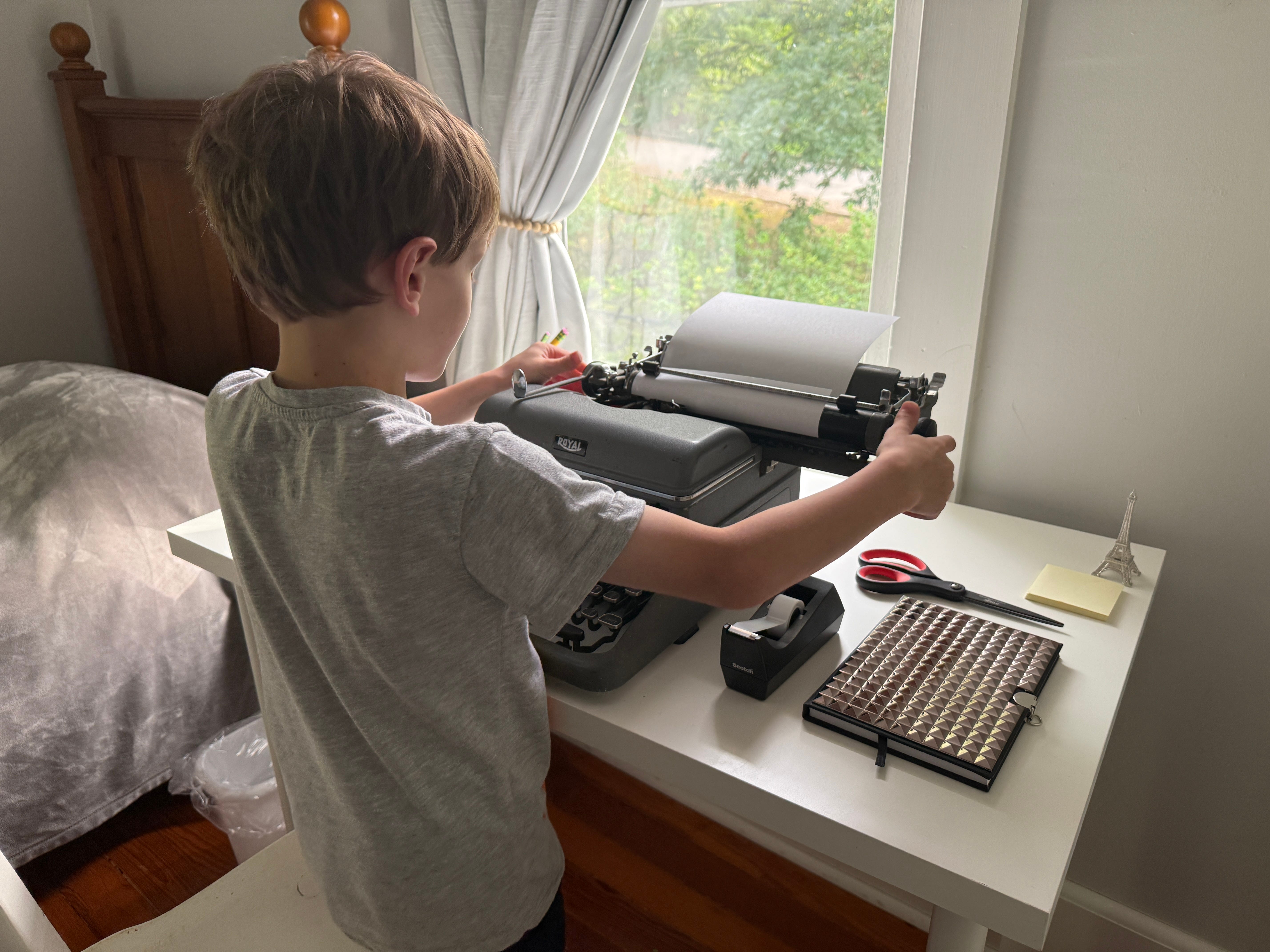
Kids of the Week: The little guy has been writing a fantasy story. This has been him around the house for the past week:
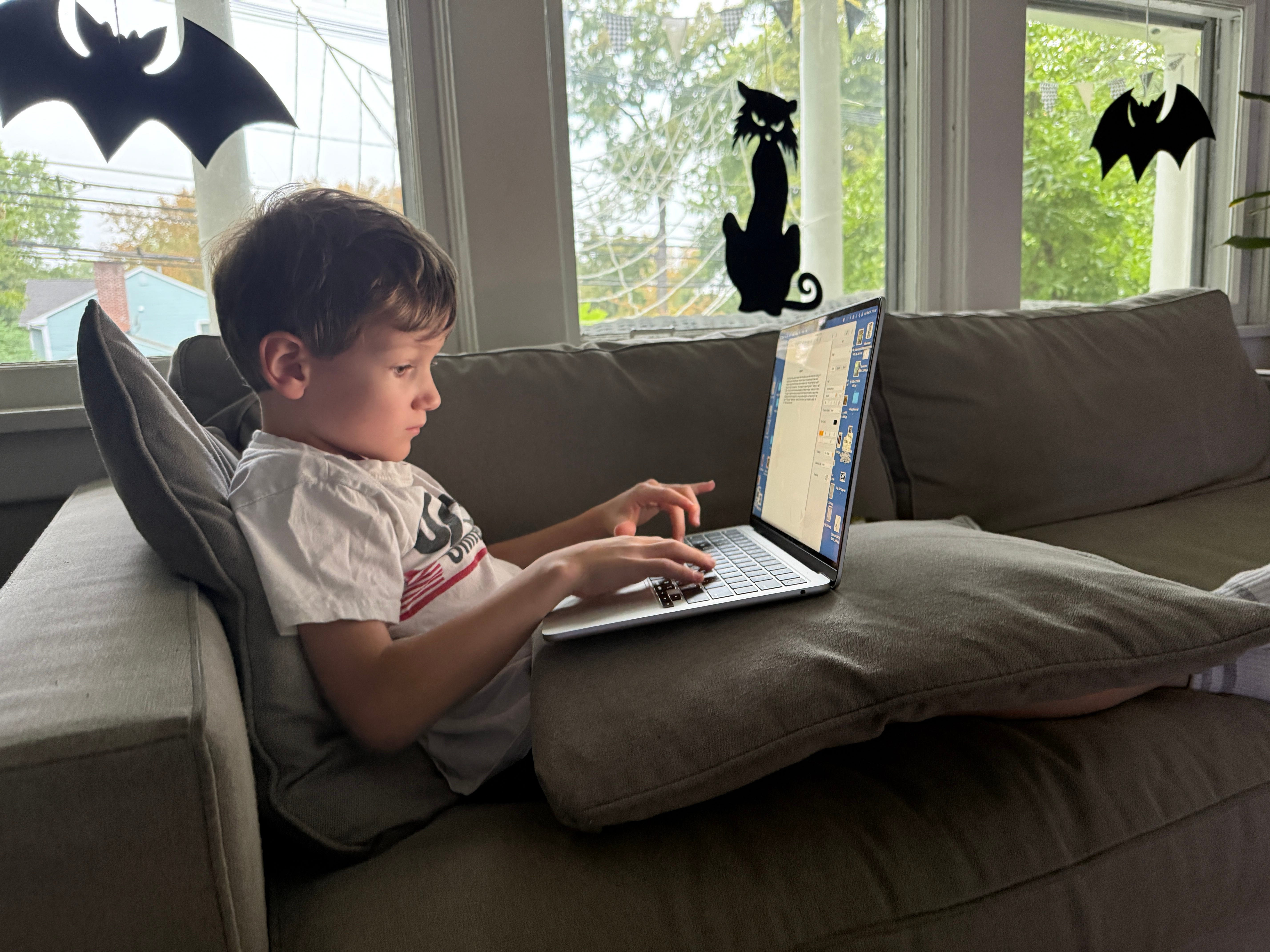
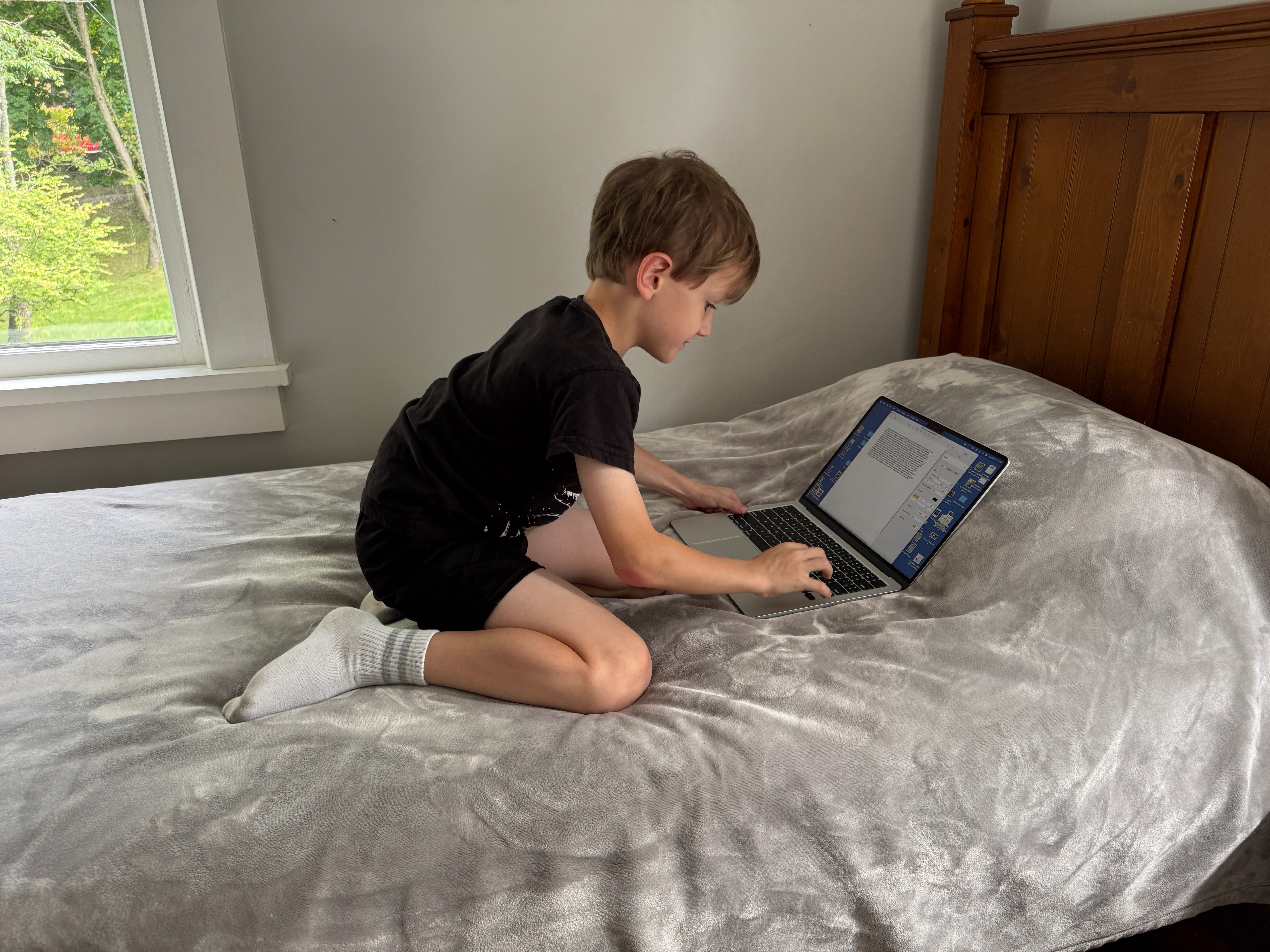
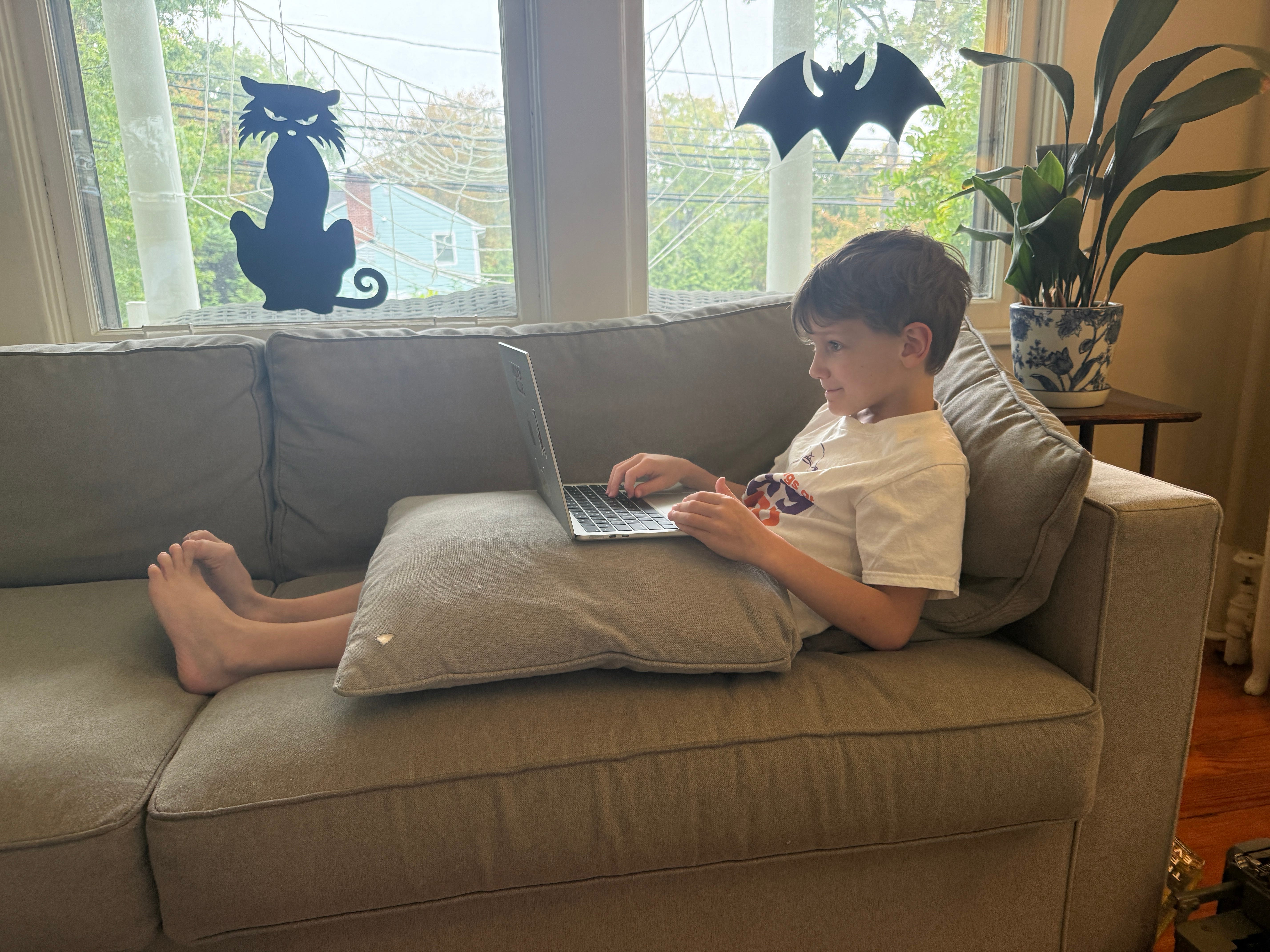
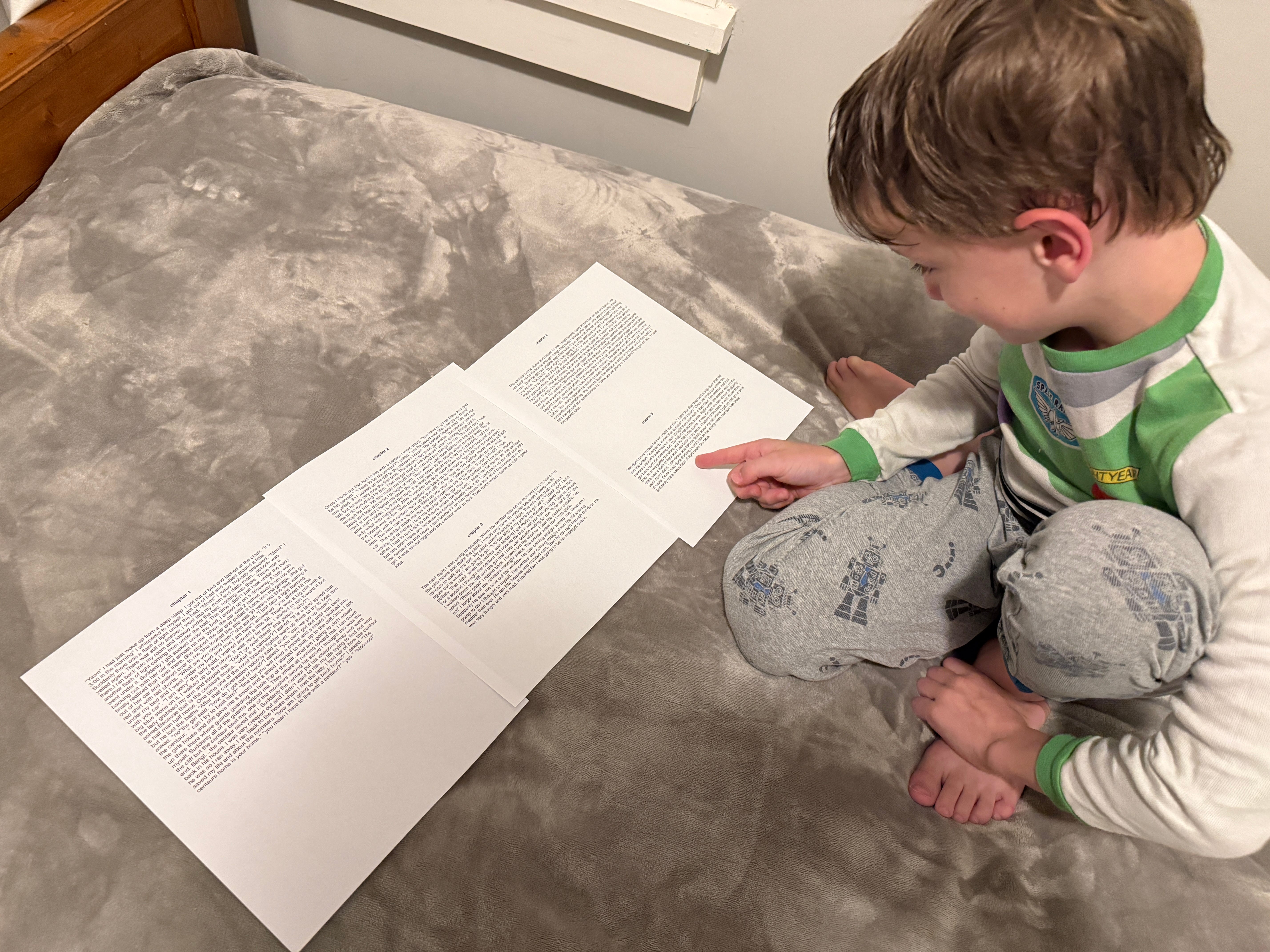
Showing me a draft of the first four chapters:
Getting his typewriter ready to type out a new draft of the story:
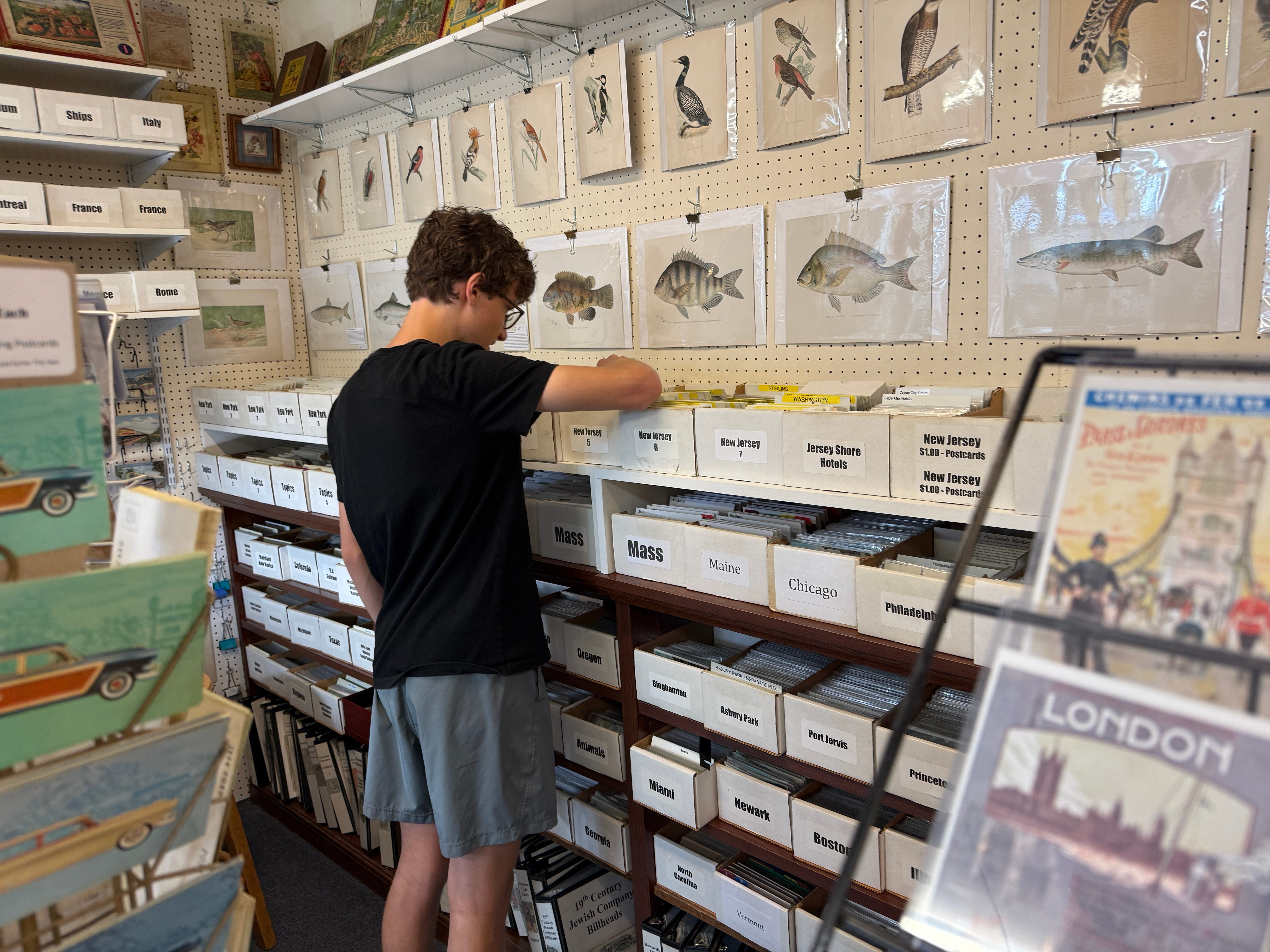
Visited an antique mall with our older son. He was really interested in the old postcards and ephemera:
I feel like this isn’t just sage advice for writers (though it is of course that too), but for everyone who has ever struggled with the concept of success and/or felt like a failure (let’s be honest, that’s all of us, right??). How we feel about something is the ultimate measure of success, because people can feel wildly different about the same set of metrics. Metrics are useful, but they are not everything.
Thanks for sharing Dan. Remembering to feel and connect needs a constant reminder in this lonely life of writing. Cheers!