
Save the story
Bringing our stories to readers

My family and I took a trip recently to Newport, Rhode Island. What we saw had me considering the importance of what writers and creators do, and how difficult that work can be to share it with their audience. Today, I will show you what I saw, and the lessons I’m considering which apply to reaching your ideal readers.
Before we begin: tomorrow (Saturday July 4th) is the final day to sign up for my next Creative Shift Mastermind group, which begins Monday. Spend three months with me and a small group of writers as we clarify who you are as a writer, what you create, and how to confidently share your work with the readers who will love it. Full information and reserve your spot here.
On our trip to Newport, we visited places that may seem unrelated. Yet again and again as I experienced each, I considered the same pivotal question for writers.
Let’s dig in…
Share the Story, Not Just the Objects
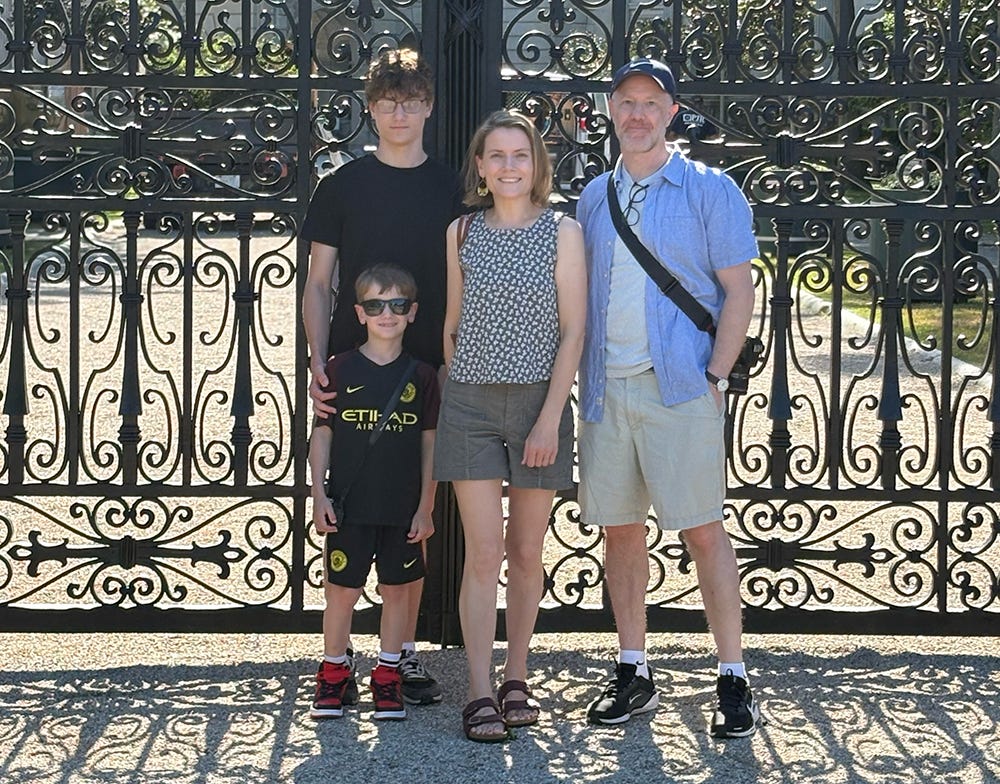
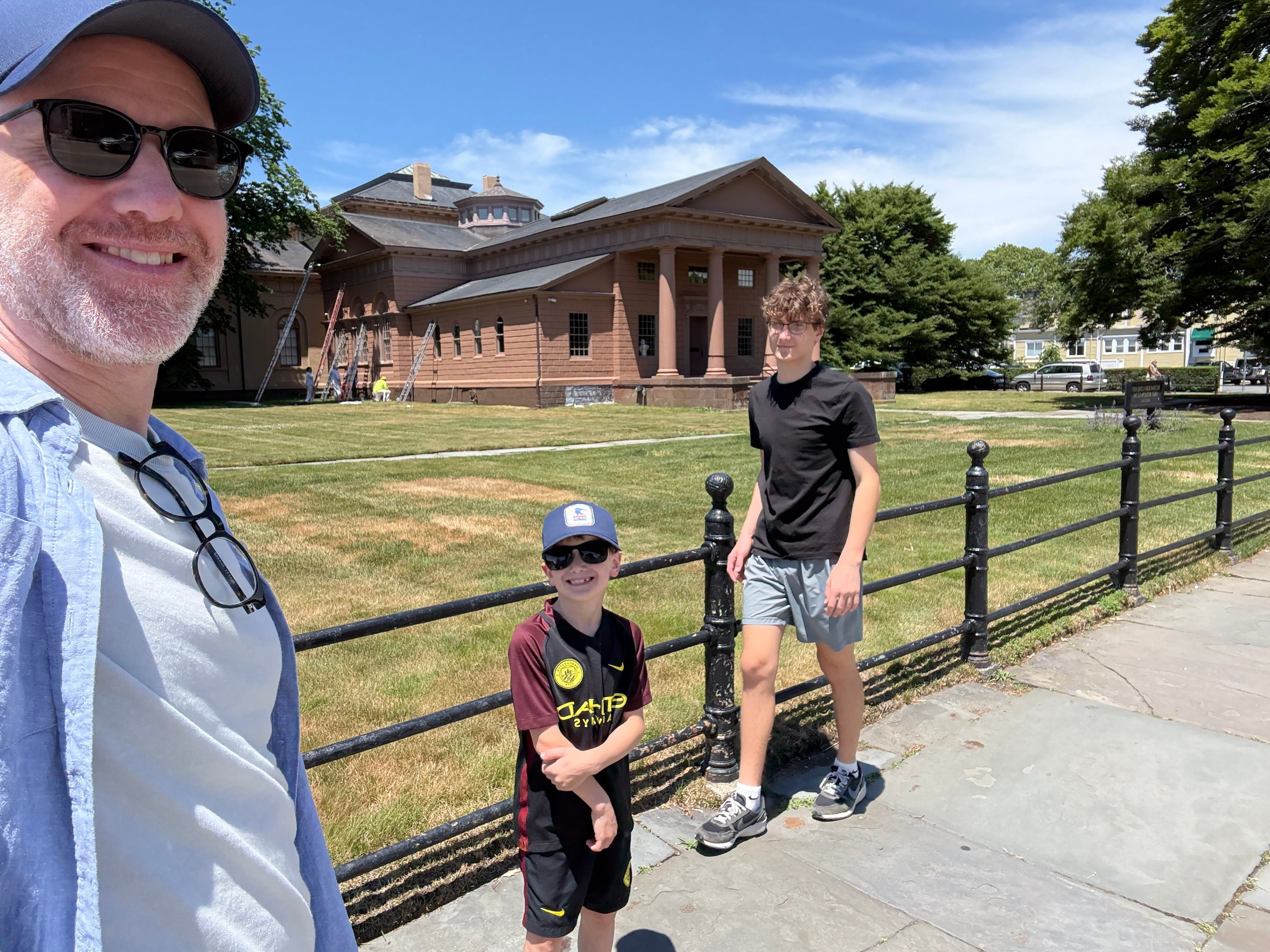
Newport has all of these Gilded Age mansions, and we toured the most prominent of them, called The Breakers. Here is my family at the front gate:
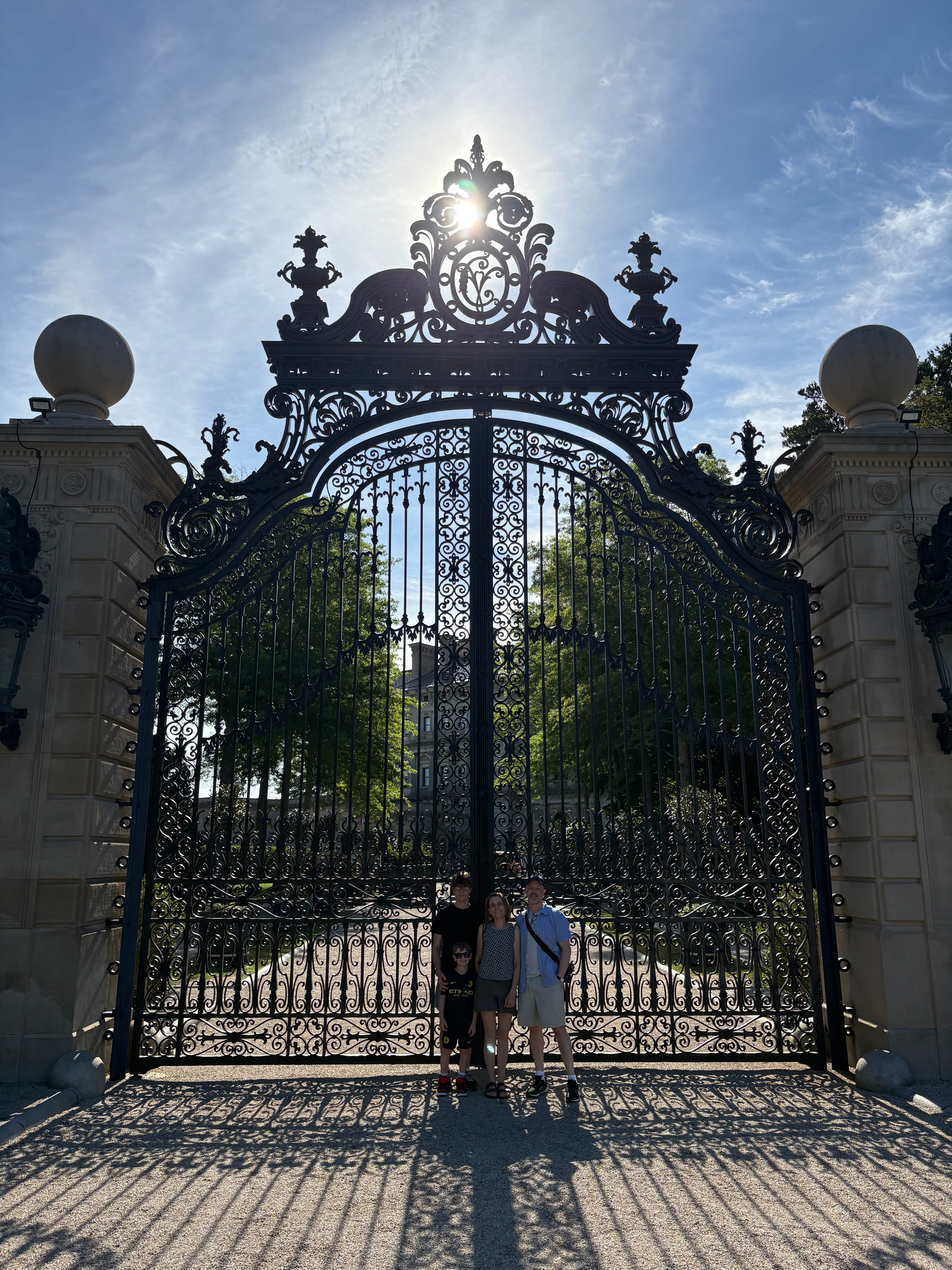
And when you zoom out, you see the actual scale of the gate, which basically sums up The Breakers overall: ‘bigger is better’:
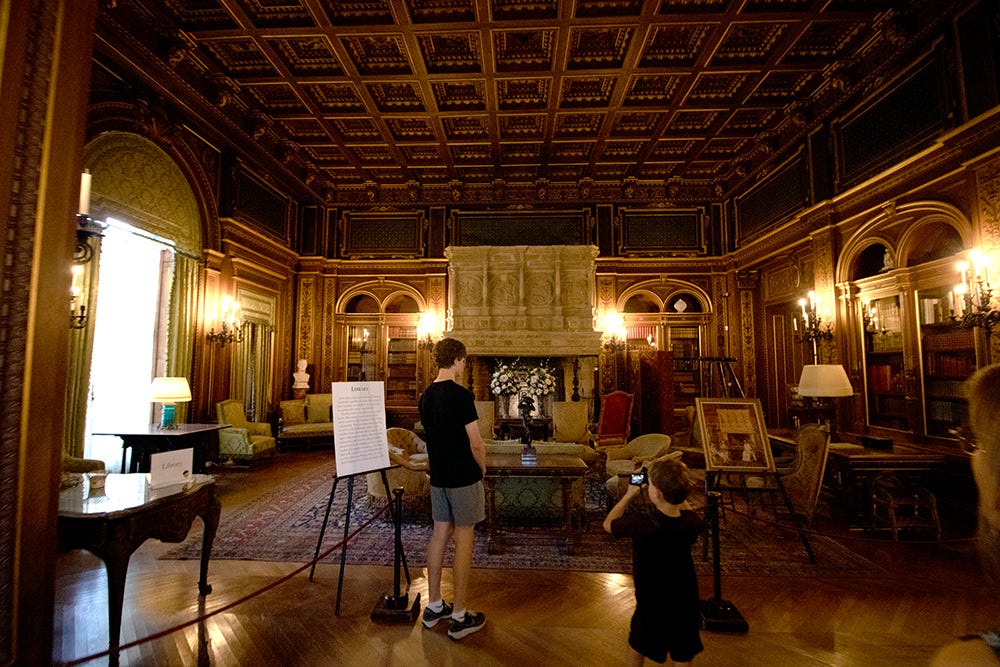
Here is the library, which was actually one of the smaller rooms on the first floor:
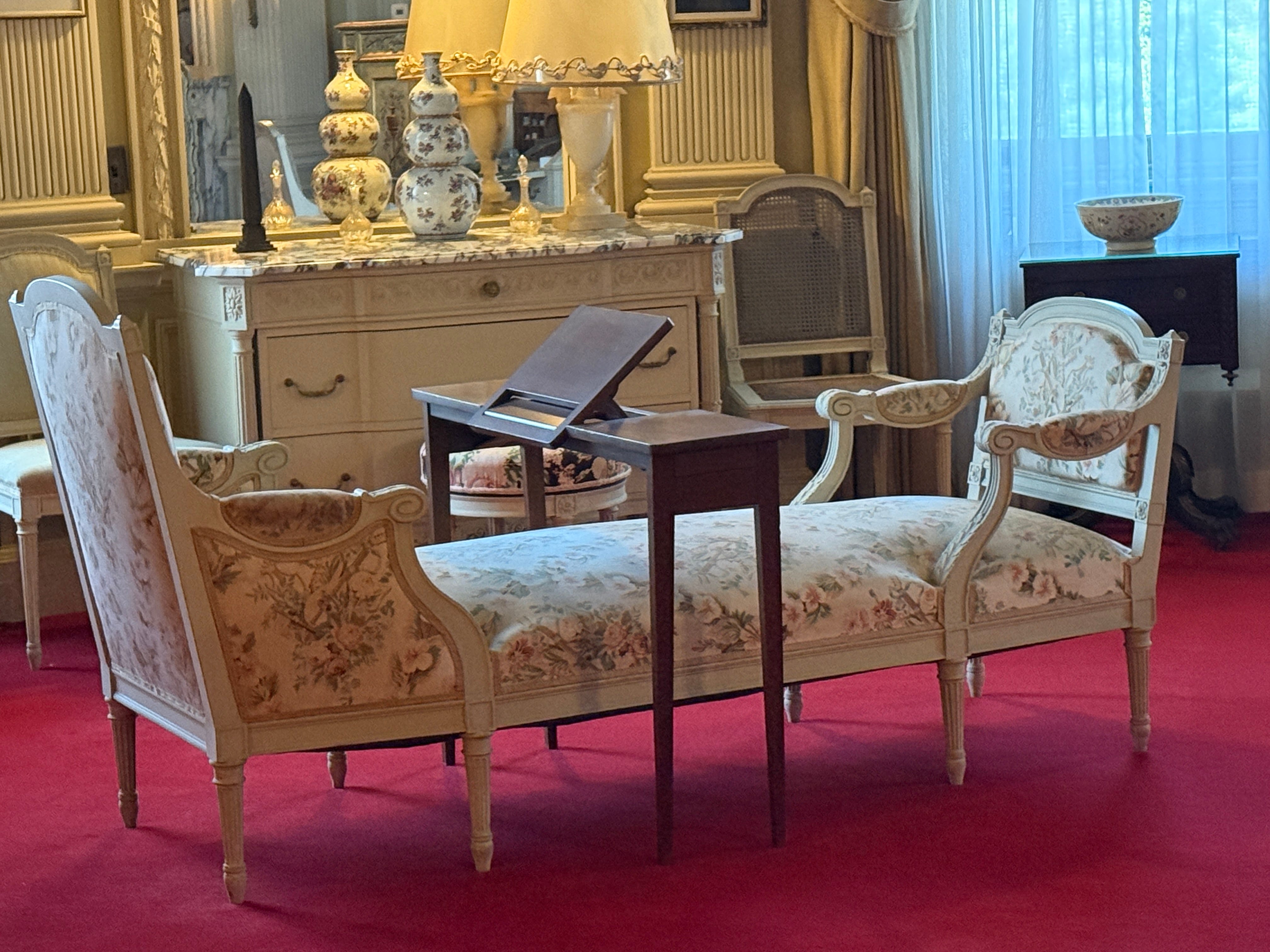
My favorite parts of the house were the details. This reading lounge:
This writing desk:
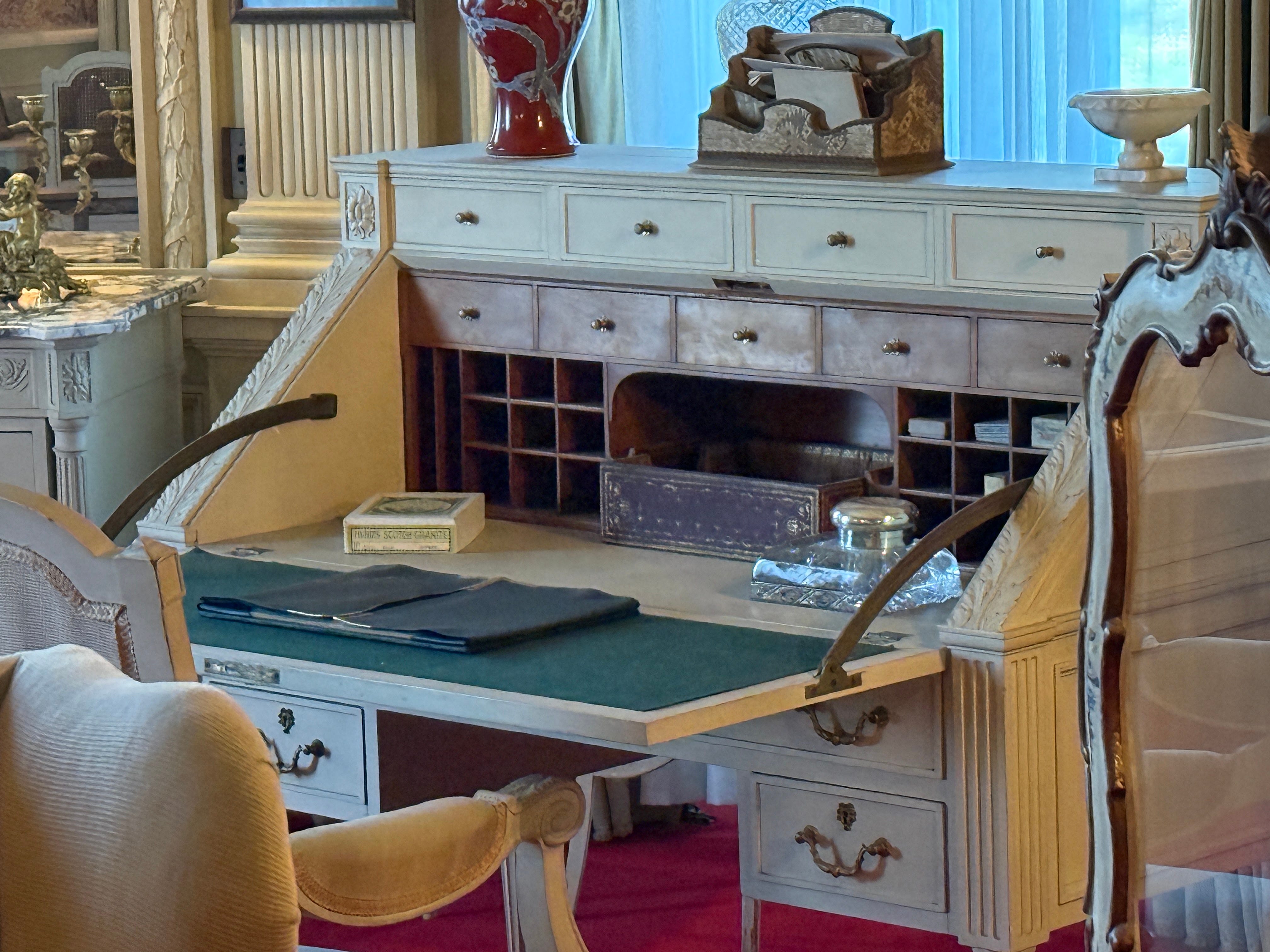
Places that I could sense a connection to ideas, art, and connection.
Overall, the experience filled me with a feeling of hollowness. There were plaques in each room, which provide some context, but to me, each room felt like it asked more questions than were answered. Perhaps it was the scale… so much space between things, that didn’t help. The mansion had its own phone system simply to call people in other rooms, because it would be too far to walk to make a simple request.
It felt like there was this amazing object — the mansion and decor — but not the context that made me feel a connection to real people, to real events, to meaning. (No, I haven’t seen the TV shows Downton Abbey or The Gilded Age — maybe they would have given me what I was hoping for. )
I considered the difference between preserving objects compared to the work of creating a sense of meaning and connection to them. Here, I could marvel at the objects, but it was difficult to grasp the context. To understand the people of the time, the situations they might be in, and how their stories connect to our own.
The preservation of this building must be a monumental effort over the course of decades. I appreciate the work these preservationists have done. But if I’m honest, a meaningful story behind it all felt lost to me.
Give People a Way In
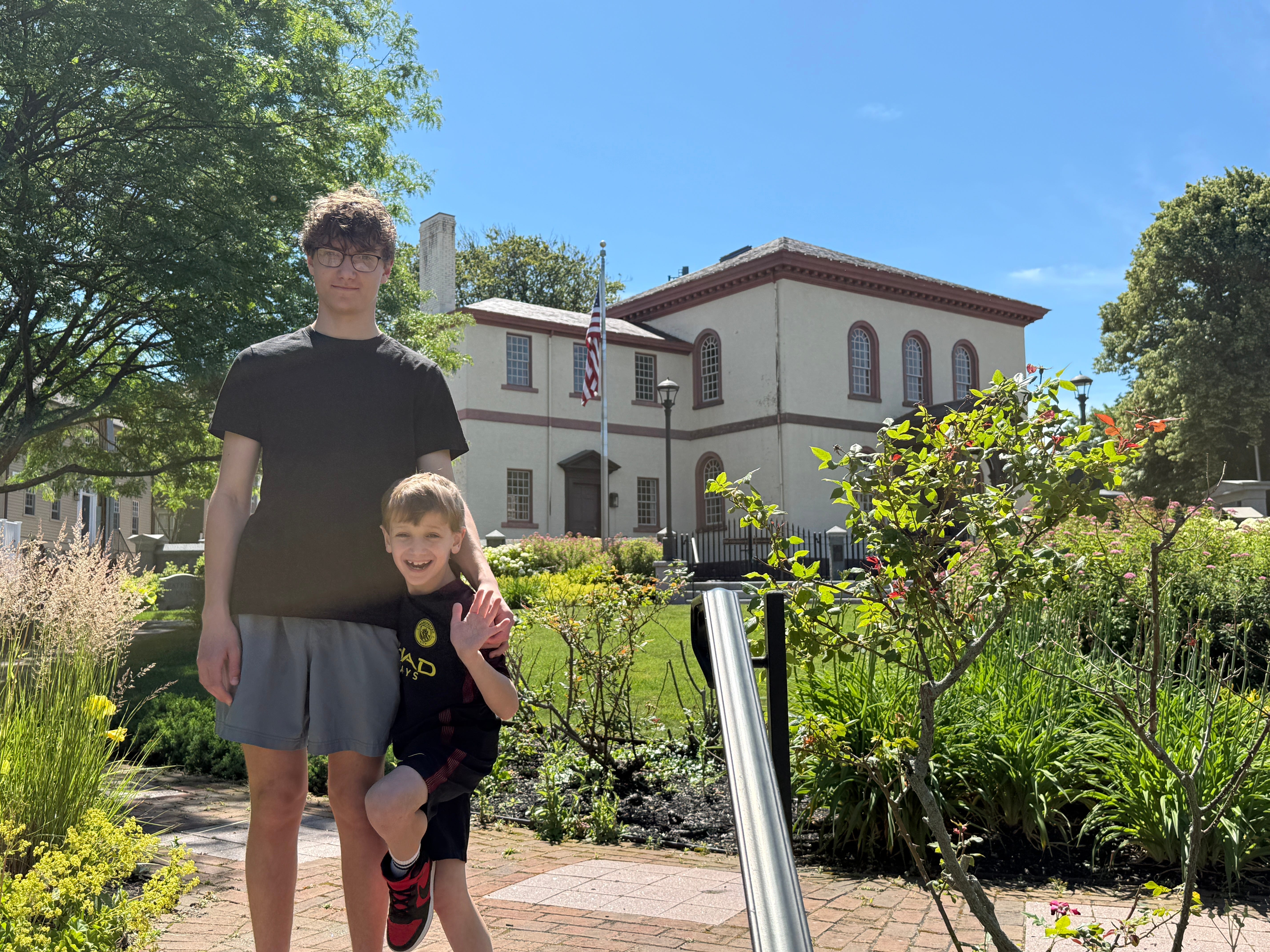
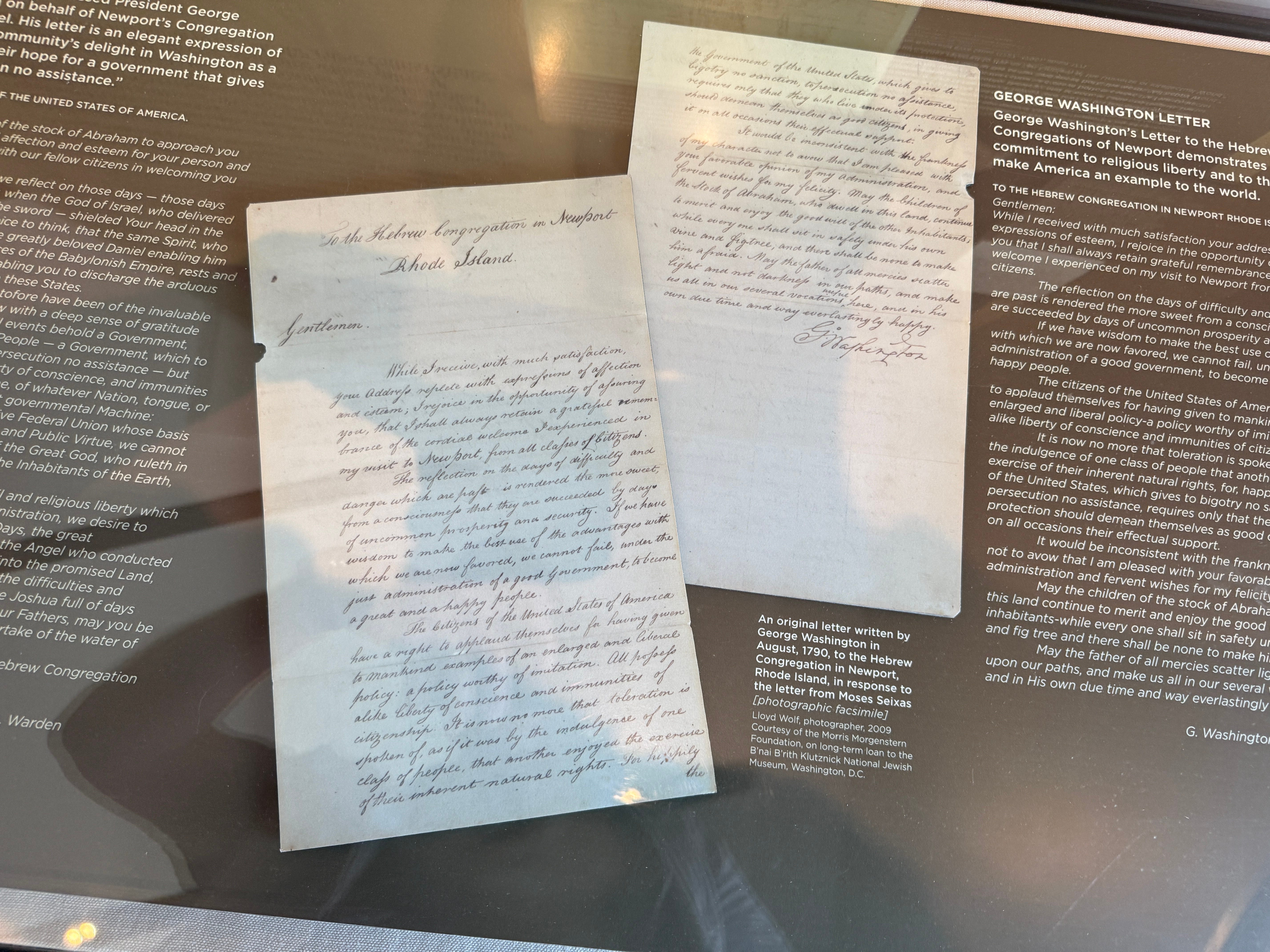
Next we visited the oldest standing synagogue in the U.S., Touro Synagogue, which began construction in 1759. The building still serves an active congregation, which was founded in 1658. In 1790, President George Washington wrote a now famous letter, "The Hebrew Congregation in Newport," that is now part of its history.
The building itself was not open to tours on the days we were there. Instead, we wandered through the grounds, visited the Jewish cemetery founded in 1677, and were able to spend time in the visitor’s center they had constructed.
The historic synagogue:
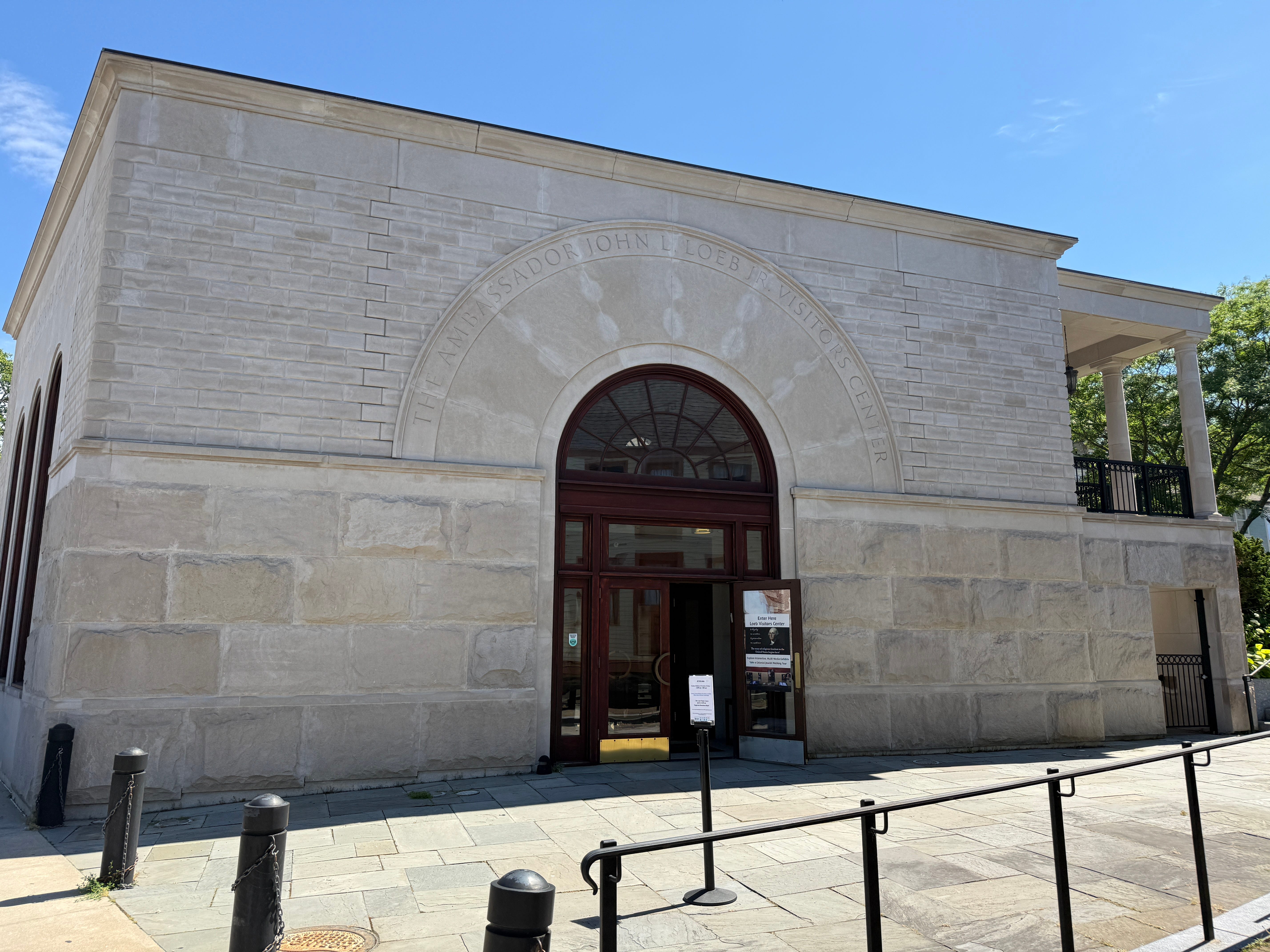
The visitor’s center building is across the garden, which tells the story:
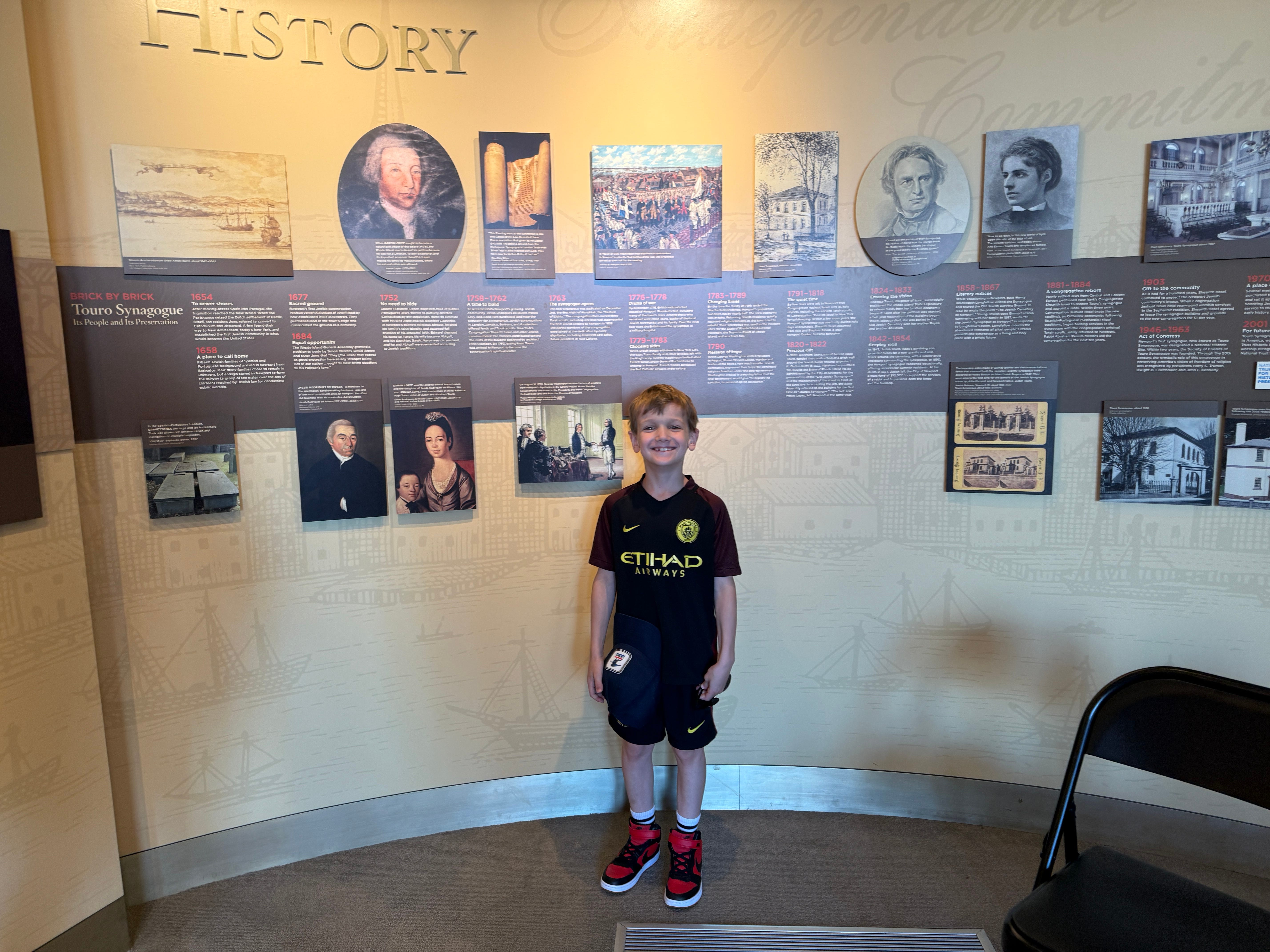
I wasn’t expecting much from this, but it ended up being perfect for our family. It begins with a timeline to frame the various eras and milestones:
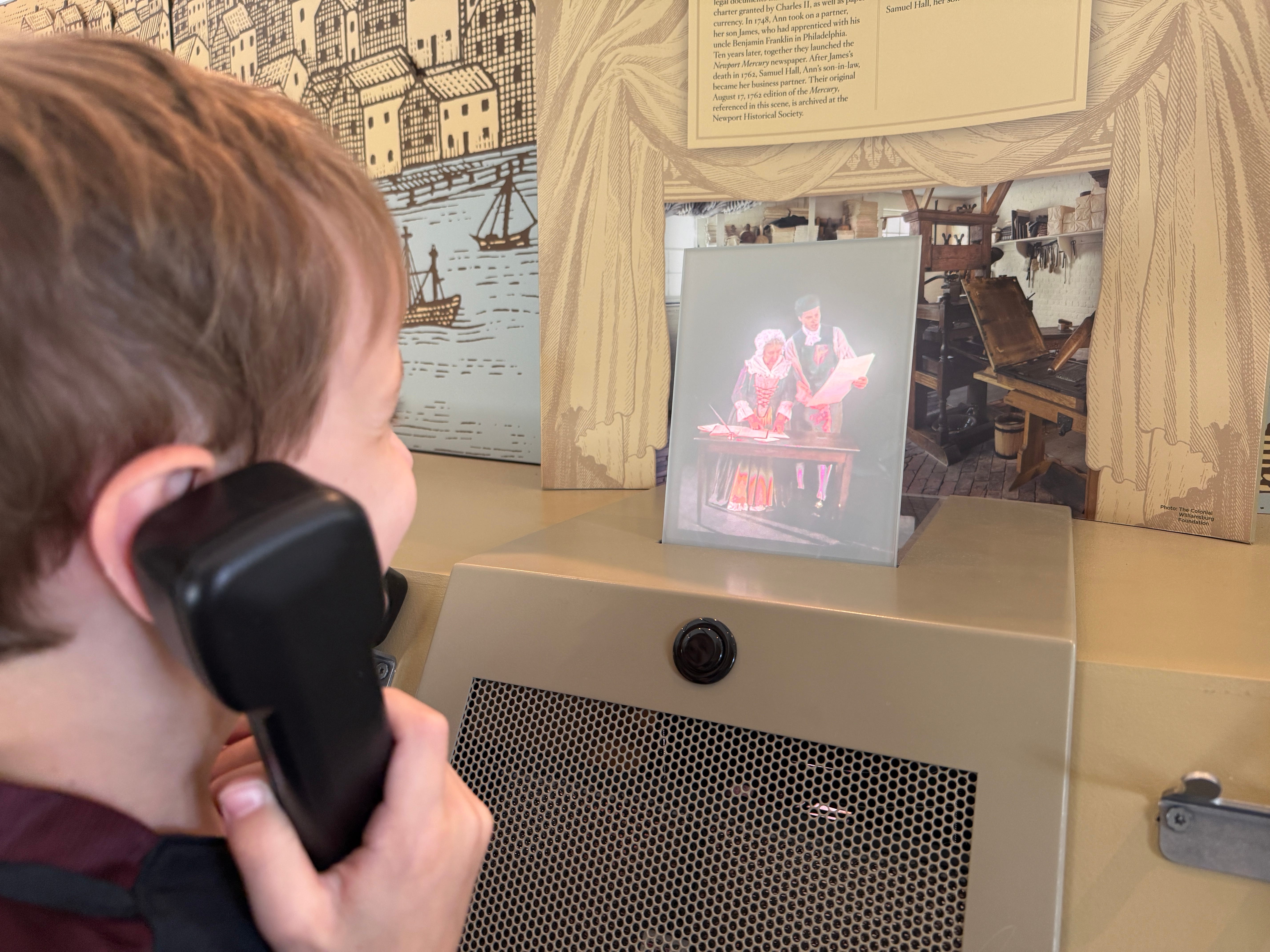
The second floor had this huge display, which told the story through video/audio, with recordings of actors re-enacting scenes from different eras:
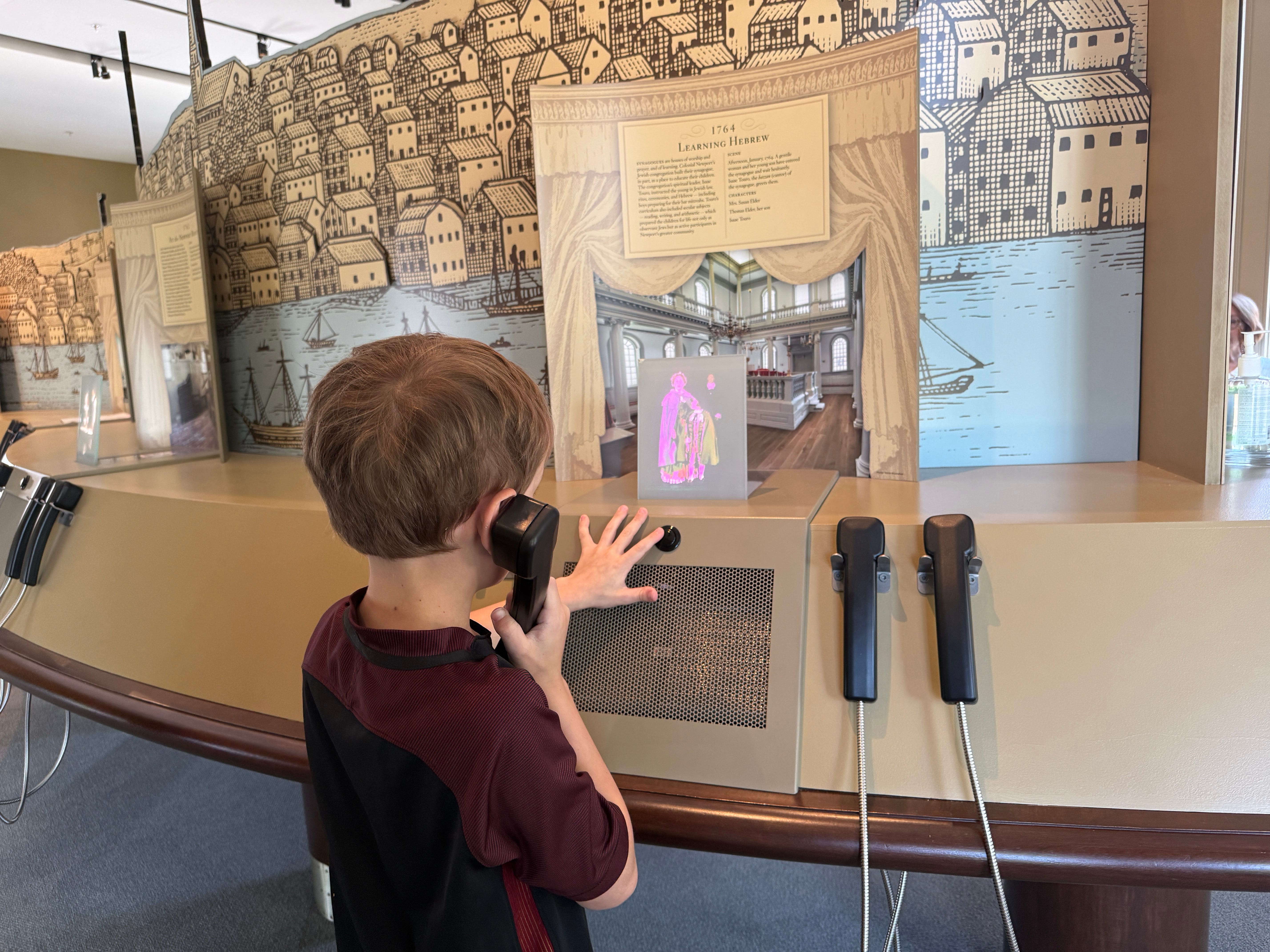
It was cleverly done with rear projection. We listened to all of them and our 9 year old loved it:
They included reproductions of the Washington letter and lots of other information to try to frame the context:
What I was impressed by with the visitor’s center was that, even though the actual historical place was not available, they worked so hard to shape the story it represents.
When you enter, you are greeted by staff, and I never take that for granted: the resources involved in telling these stories, including management, maintenance, utilities, security, training and staffing, and so much else.
As writers, I feel we often hope our work speaks for itself. Yet, often it doesn’t. It is one book on the shelf next to thousands of others. It is one Substack essay next to thousands of others. Welcoming people in and providing context becomes a gateway. And this is why I focus so much on the work I do of helping writers connect with readers.
This is work. To shape and share the stories, get the messaging right, make it interesting and relevant to people, and invest resources over time.
Longevity is a Part of Our Own Stories
Newport is also the home to “America’s first purpose-built library and the oldest continuously operating in its original location.”
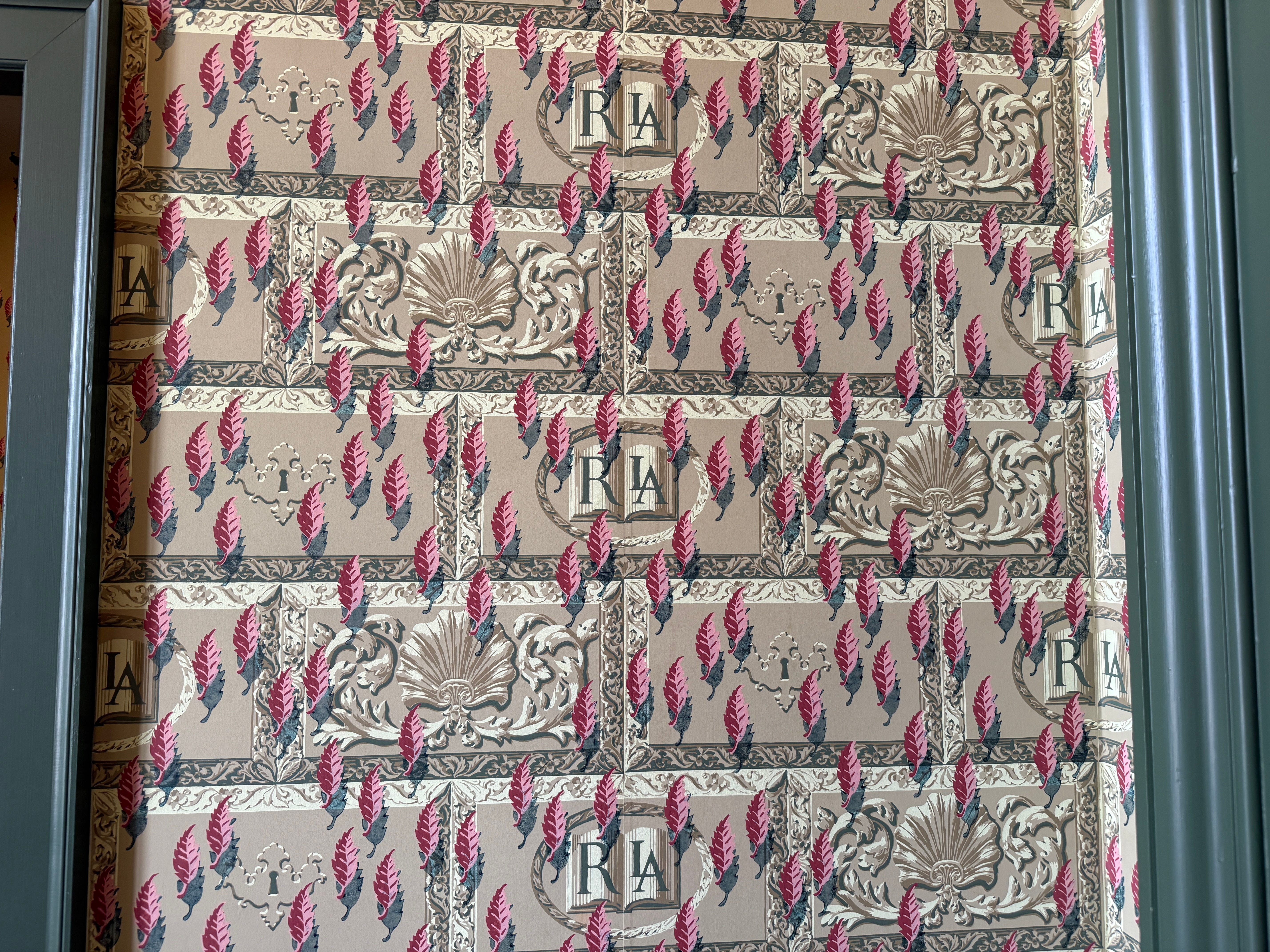
When you enter, you see they have their own custom-made wallpaper with their logo for “Redwood Library & Athenæum,” which is the official name:
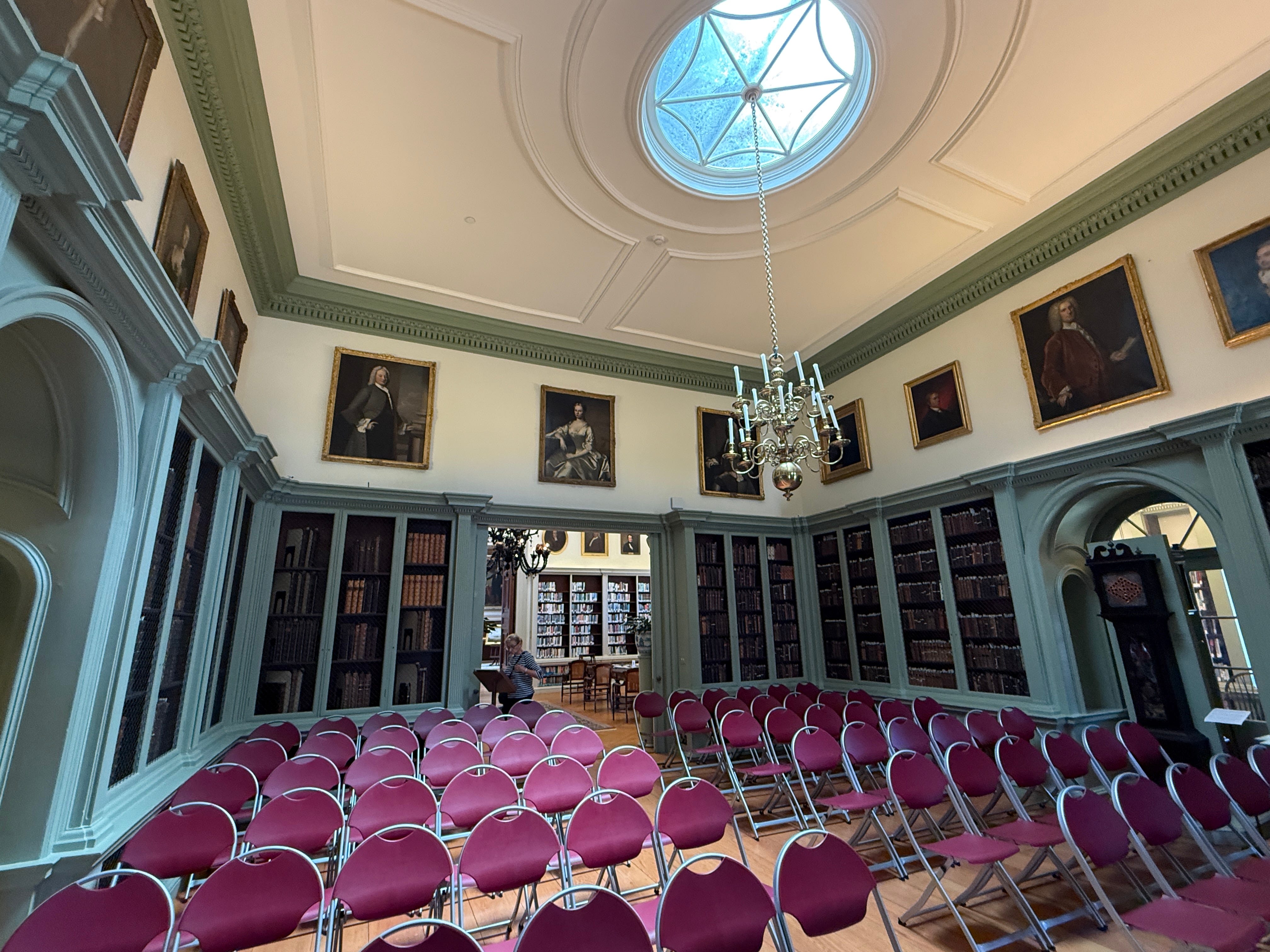
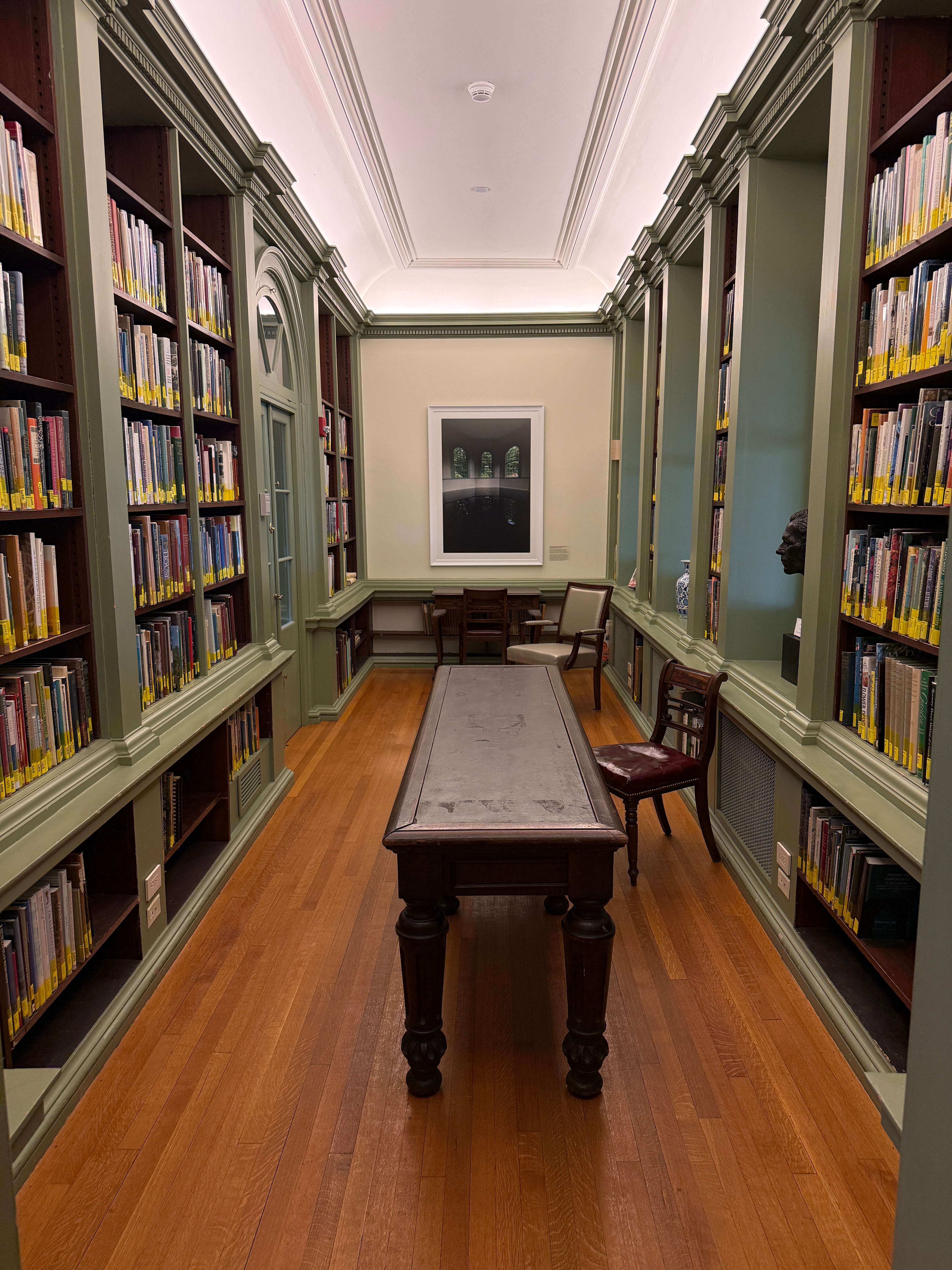
This is the room is the original library, which as had continuous use since 1750:
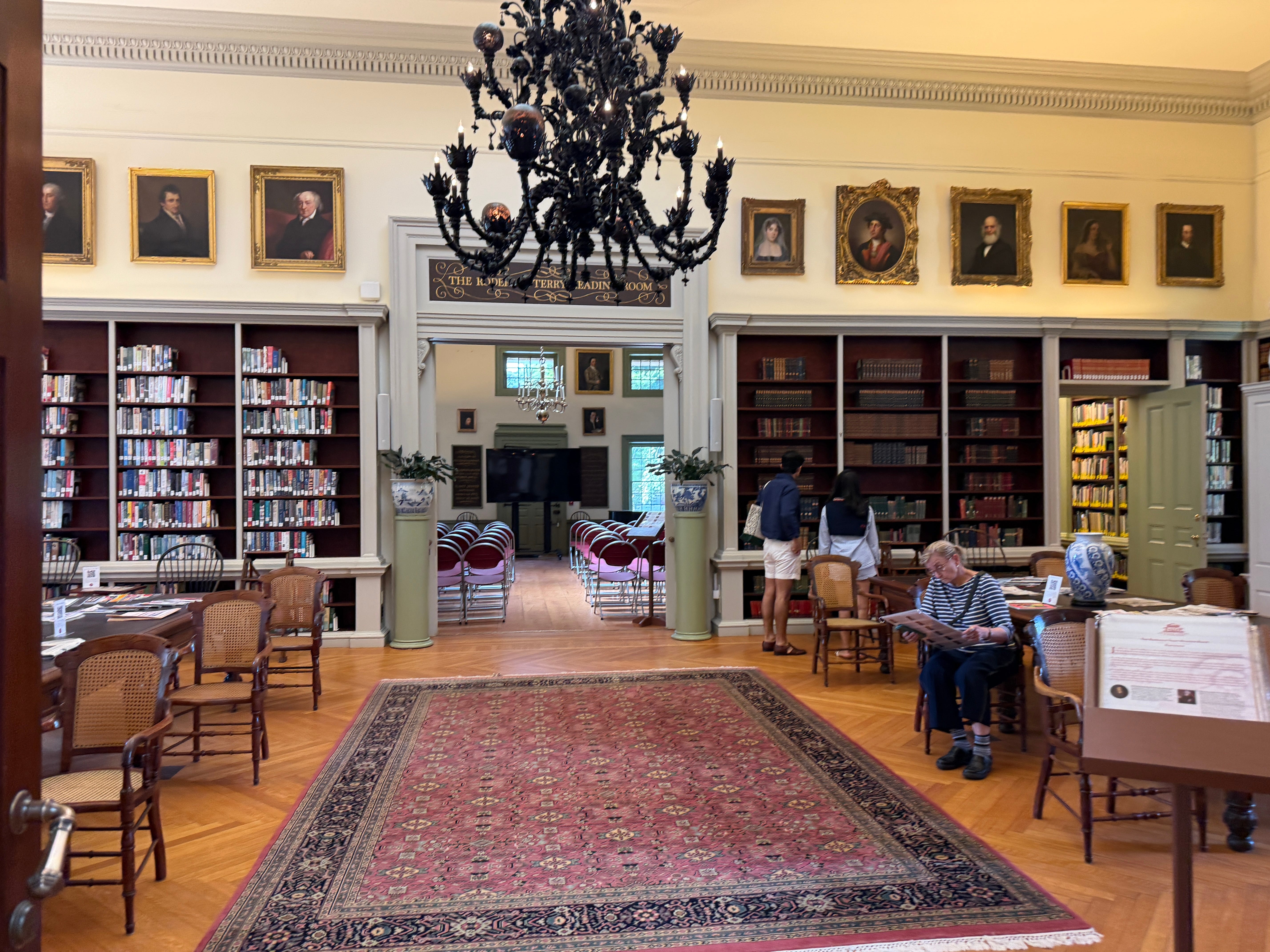
In 1859, they expanded with a reading room:
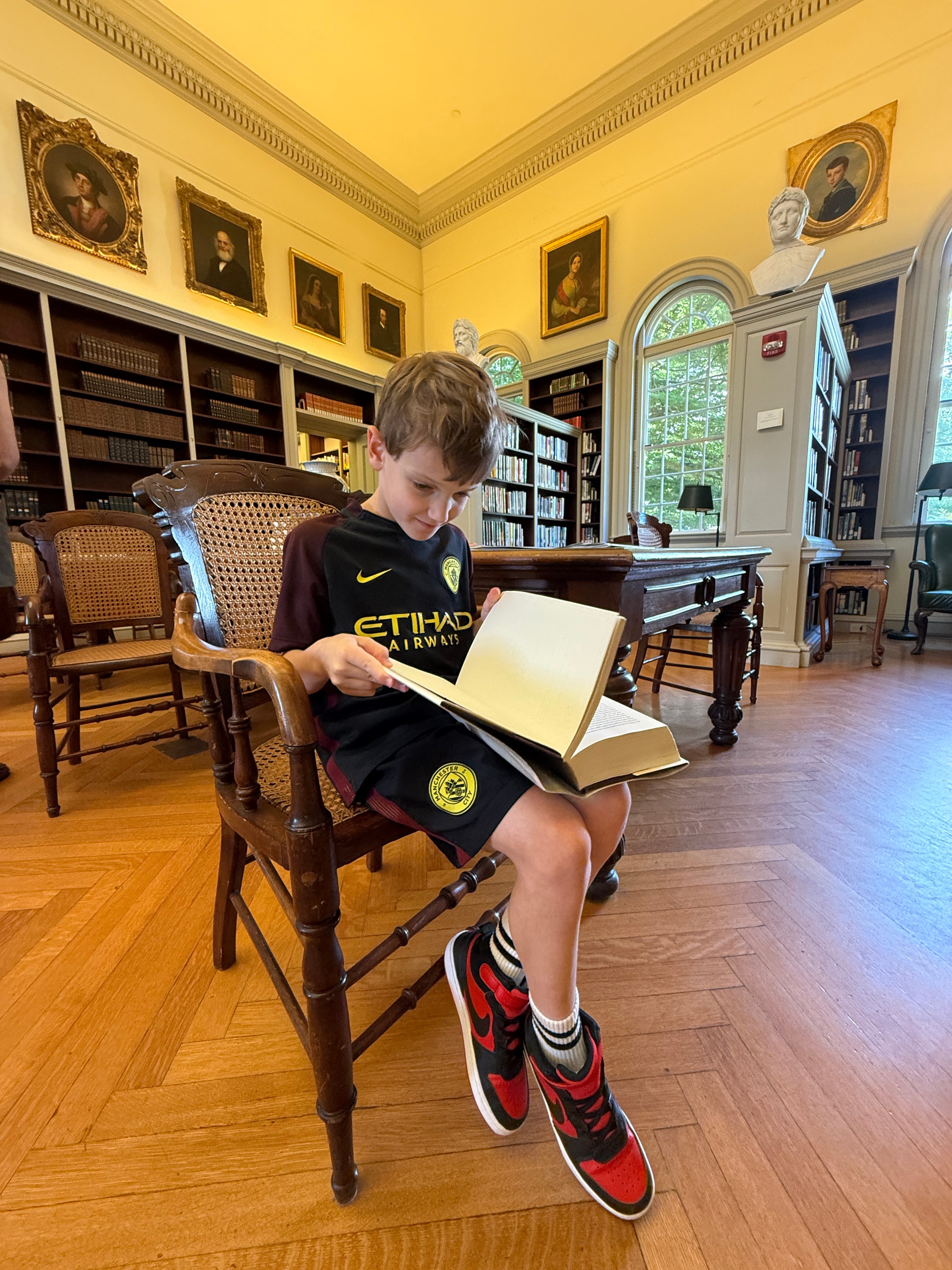
Could this side room be any more adorable?
The library included a small exhibit, exploring Newport’s history, and George Washington’s role in it:
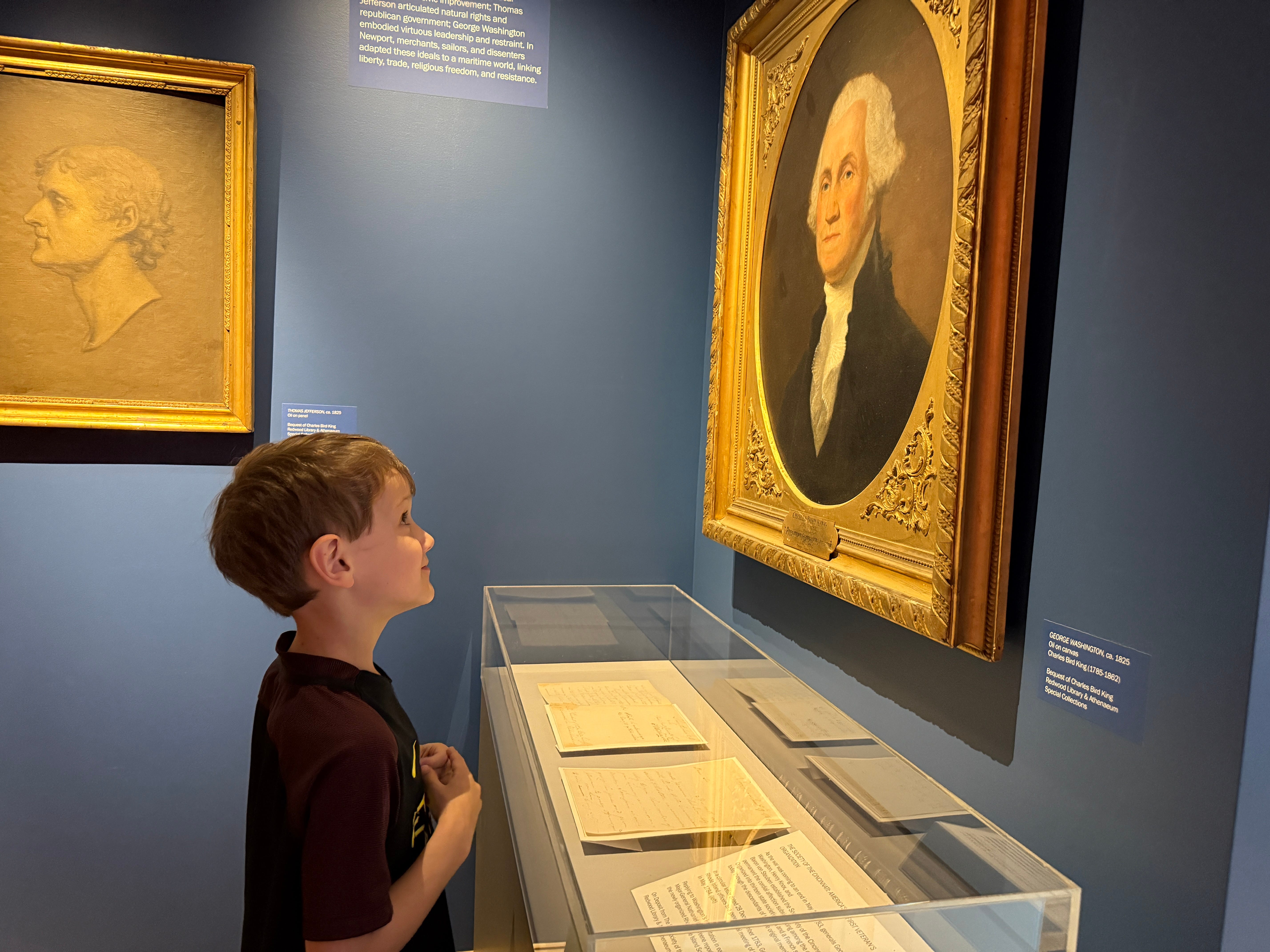
The library reminded me that longevity is a part of each of our stories. That likely, we have been writing for far longer than we have been publishing. This journey matters, and I encourage you to share that story with your readers. I often write about this in terms of creating a very long bio or About page, or sharing more of yourself in your newsletters or social media.
In our world today, the idea of “new” or “debut” often gets so much attention. Yet I find the concept of longevity to be just as interesting. Use what you got!
Curate and Share Your Creative Vision
My older son is a huge car aficionado, and was thrilled to learn that the Newport Car Museum would be a stop our trip. It’s an astounding collection of vehicles collected by two people.
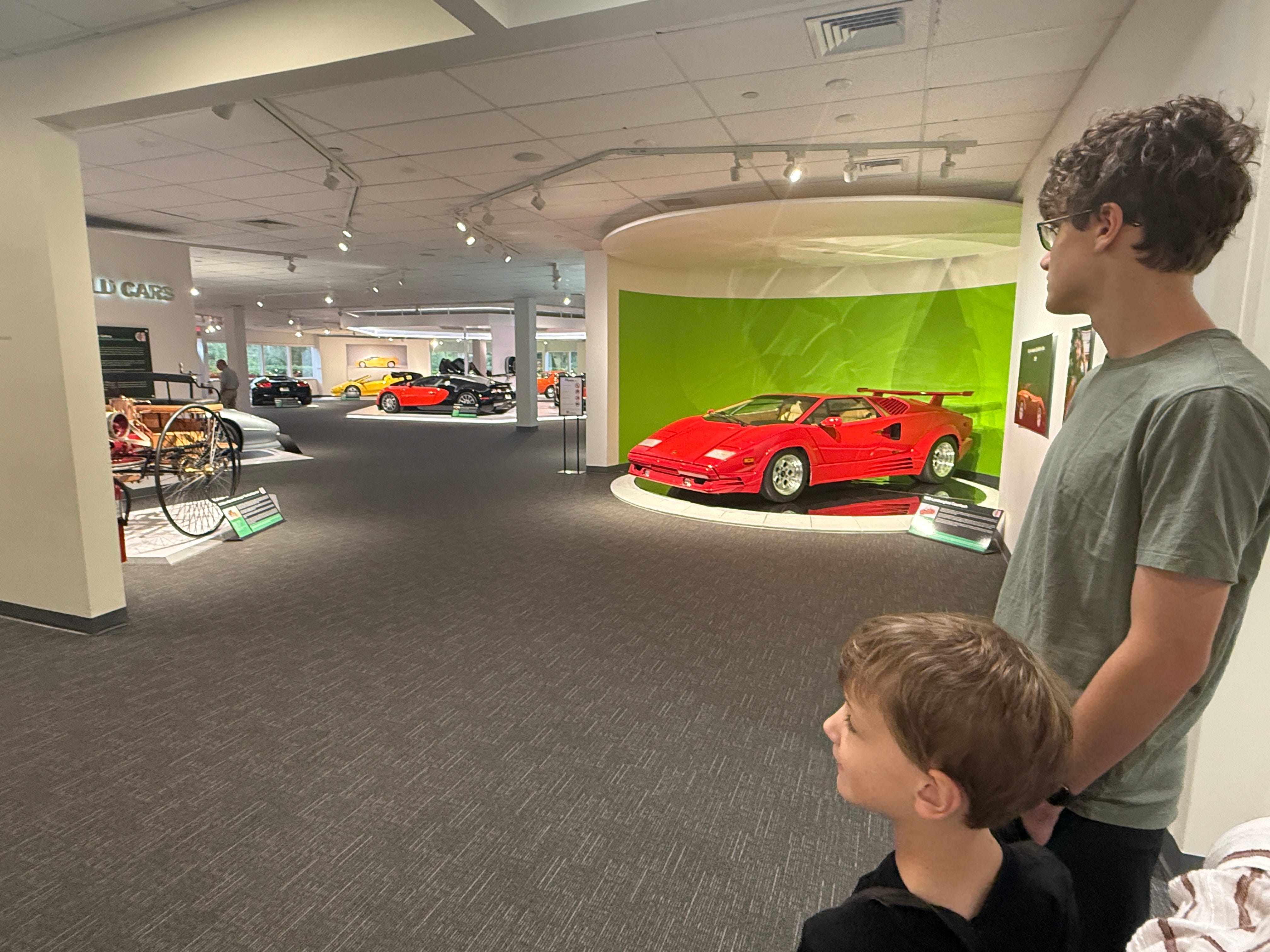
They even have his all-time favorite car, a BMW Z8:
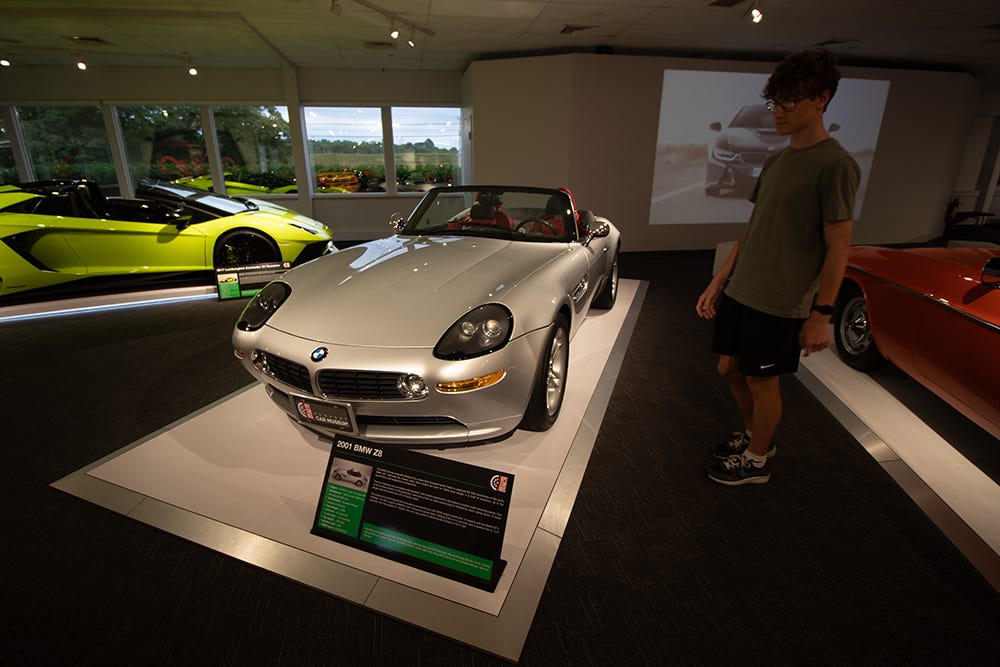
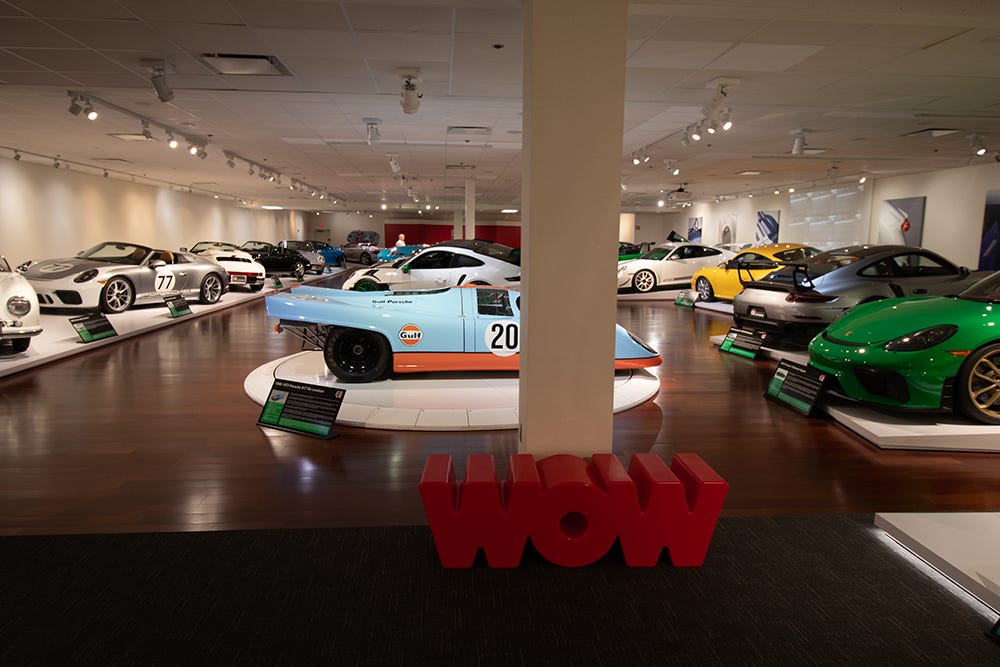
A room full of rare Porsche cars:
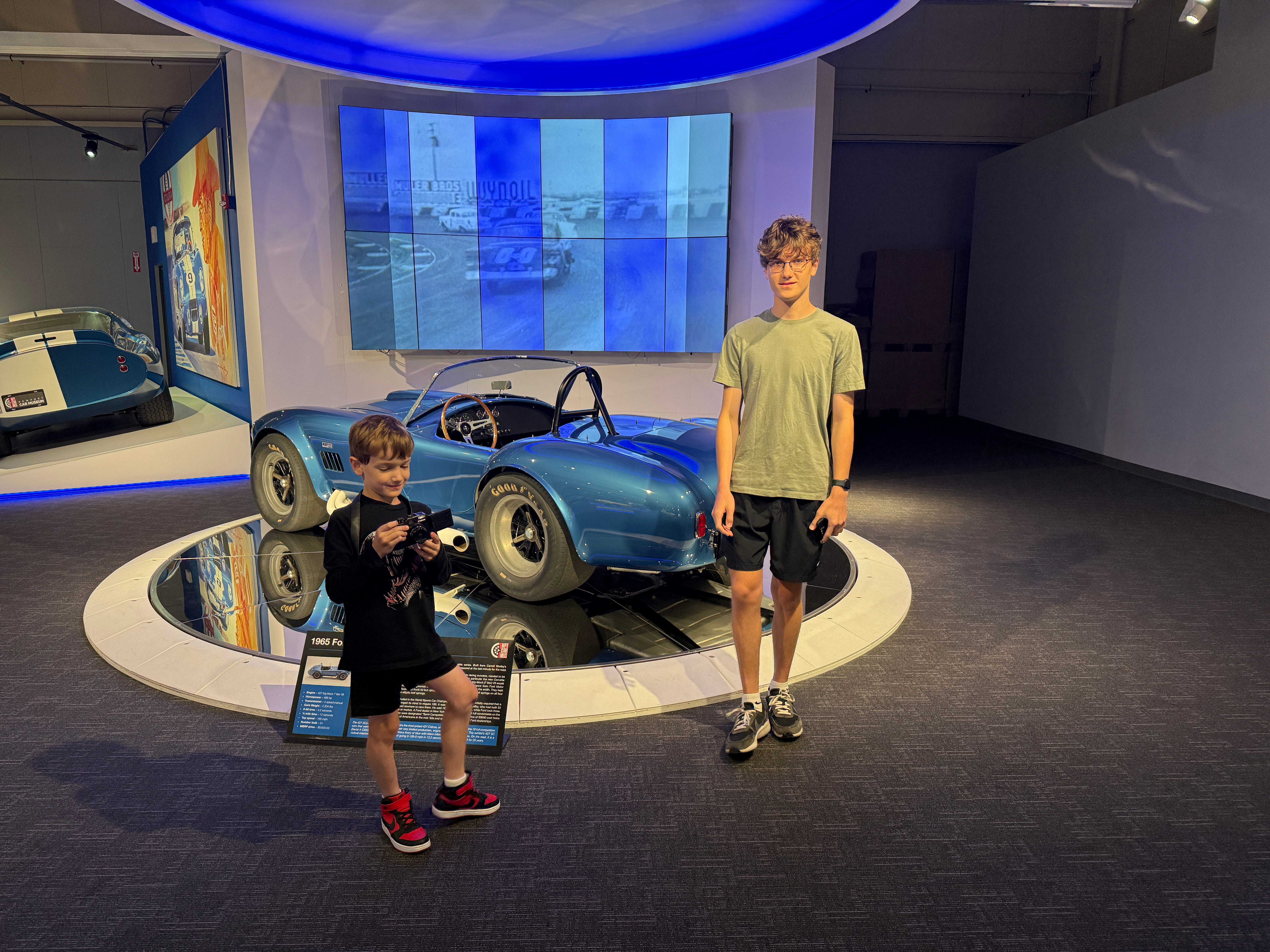
An original Ford Shelby Cobra:
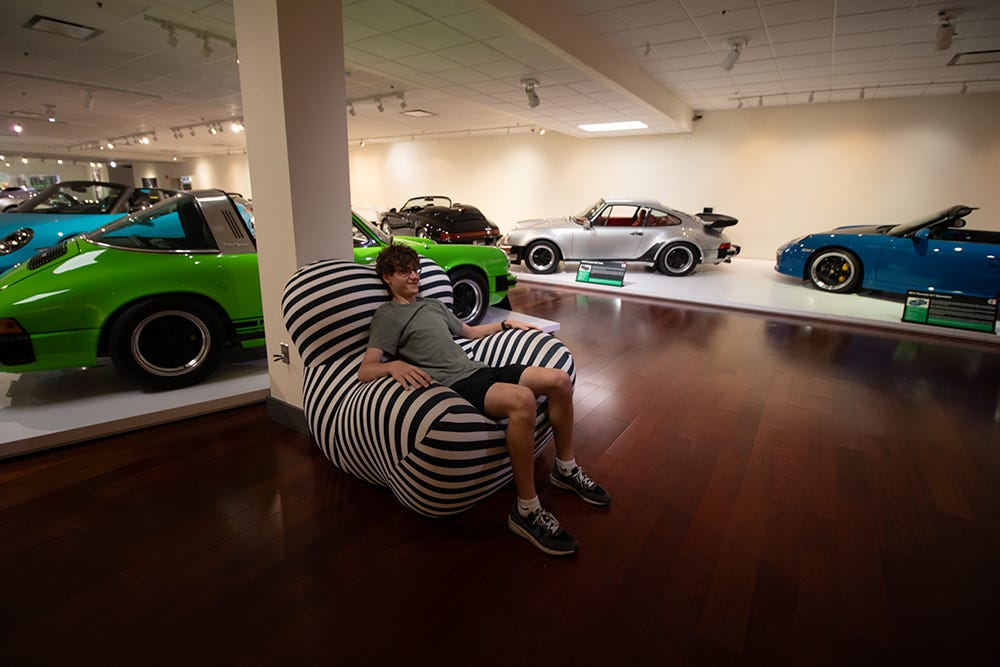
His happy place:
What struck me was how the car museum was expertly curated. They didn’t just save 1,000 cars, 100 of which were special. They only collected and displayed 100 curated vehicles, and each room was organized by a theme.
The owners focus very much on cars as a work of art, and they worked hard to evoke the time and place these vehicles emanated from. The language on the plaques felt more emotional, and there were guides wandering around to explain each car to you, and answer questions.
We also visited a smaller car museum called Audrain Auto Museum. It’s a collection of about 20 cars at a time, which rotates to new exhibits every quarter, with private owners loaning cars for each. They too had guides available to answer questions and tell you about the cars. The moment we walked in my older son immediately said, “Oh! They have a P50!” I thought it was funny he knew exactly what this tiny car is:
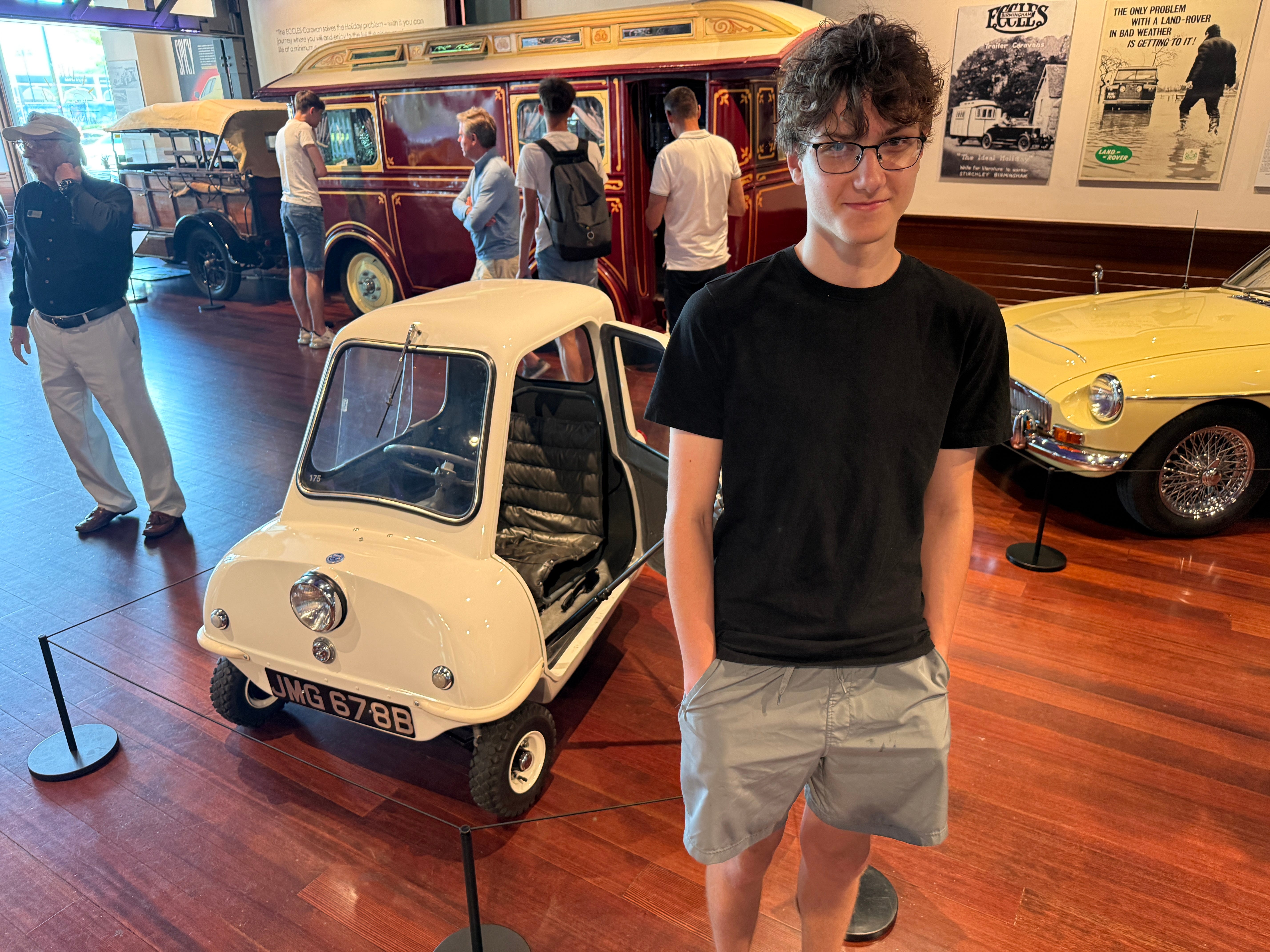
Here is my younger son with the car that would become famous in James Bond movies:
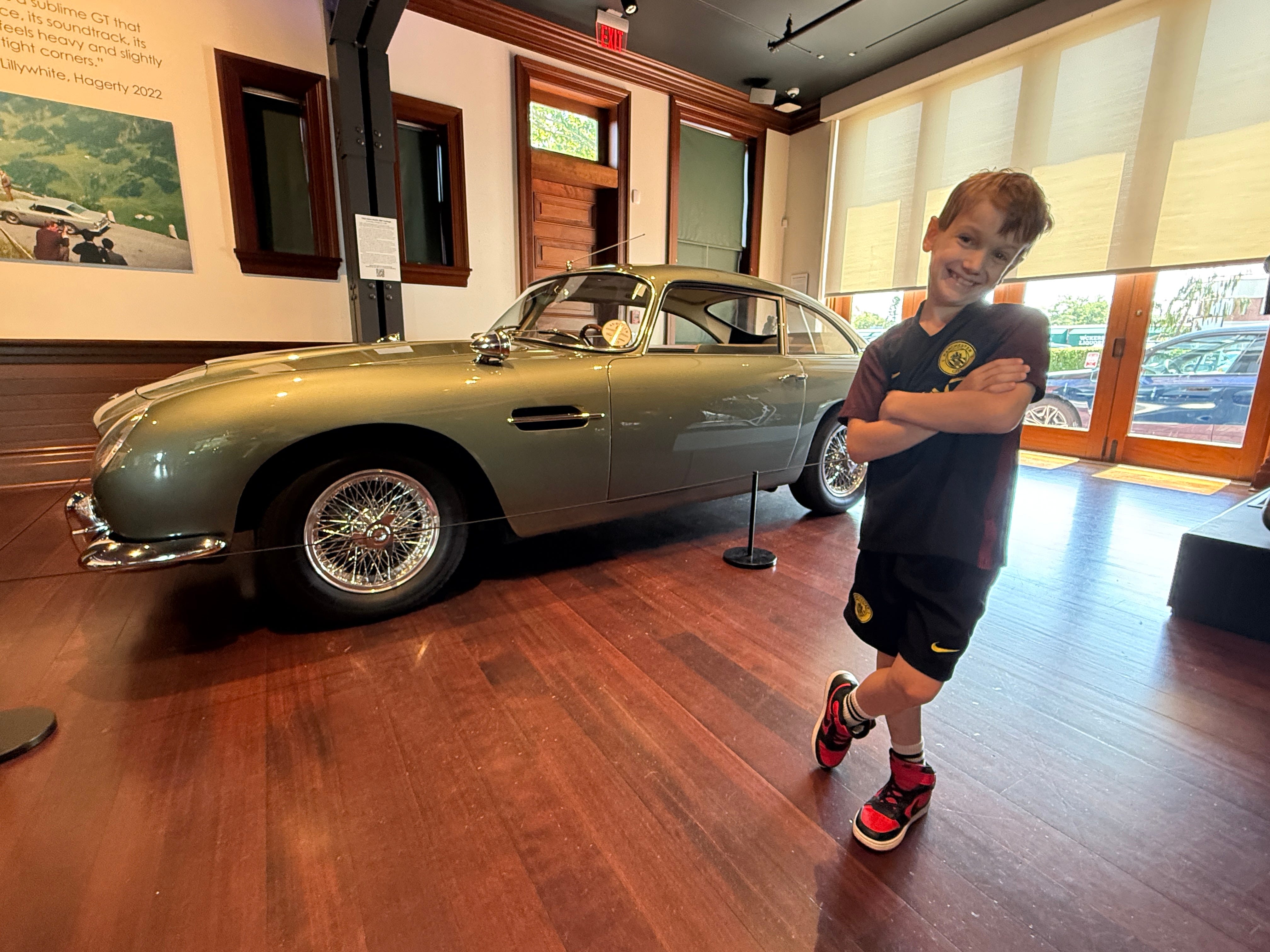
Our stories matter. The stories of what we write, but also why we write them. This is why people want to see an author speak, hear a commentary track on a movie, watch a documentary about a band. The person who cared enough to create can be central to the story that resonates with readers.
Yes, write. Write first, write often.
But also consider how you can provide context to bring your writing to people. Where they resonate with what you create and why, even before they have a chance to experience it.
This is the importance of sharing our stories, and what I considered so much as I experienced Newport. Make an effort to tell these stories, to curate, and preserve.
I considered this very message as I crafted this essay. I could have shared images that didn’t have my family in them — that focused on the inherent beauty of the mansion, the synagogue, the library, or the cars. But I realized my family is a part of how this story may reach people. It’s not just “learn about old places,” but instead, “Dan and his family will take you on this journey they experienced.”
As you consider how you share your own work, remember that you and your creative vision, your experience, you emotions are a part of how people may relate to it.
If you want to explore working with me, there are two ways I collaborate with writers and creators:
Tomorrow (Saturday, July 4th) is the final day to register for my next Creative Shift Mastermind group, which begins on Monday, July 6, 2026. Spend three months with me and a small group of writers as we clarify who you are as a writer, what you create, and how to confidently share your work with the readers who will love it. Full information and reserve your spot here.
Recent videos available to my paid Substack subscribers:
Find focus, purpose, and community on Substack (16 minutes)
Authenticity and sharing your craft (19 minutes)
You have a creative voice. What will you say? (19 minutes)
As always, thank you so much for being here with me.
-Dan
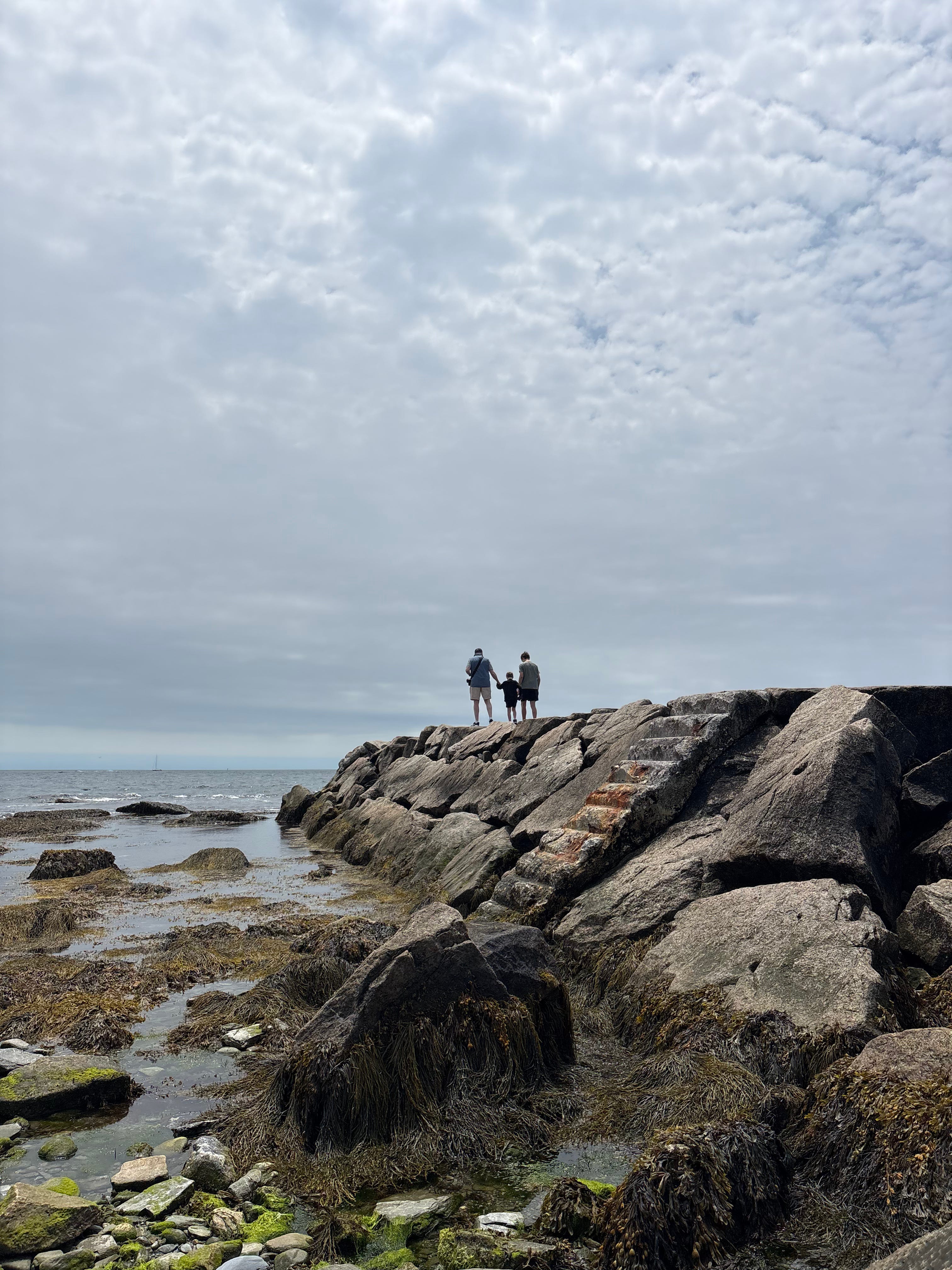
Kids of the Week: walking along the shoreline:
Love the notion of welcoming readers in. A pastor I knew once told our congregation that our faith should come from a place of “extravagant welcome.” He was speaking about how our faith calls us to act - protecting immigrants, helping people with less - whether those we welcome share our faith or not. I love coming across this concept in other contexts, too.
Dan, another great message on how to connect with people on an emotional level. I enjoyed your story and how you and your family interacted with these historical places and museums. I loved how you differentiated the museums that were both well curated and found a way for a more personal connection with visitors.
I recently had an interesting experience with my debut novel, Electromagnetic Assault https://brucelanday.com/books-and-writing/ I was invited to the book club in the retirement community where I live when they read my book and asked me to lead the talk. Some of the questions were about my writing process and a couple of my characters. What surprised me was when a week later, one of the women in the group caught me at breakfast and asked several more questions and told me how much she enjoyed hearing about how books are written and how an author comes up with characters. This experience is getting me to think more on doing in person author events. Something I'll look into this fall. I also try to share more personal things in my own Substack newsletter.
Thanks for sharing this.